



Not everything is doom and gloom at IN-SIGHTS. A story from The New Yorker’s Brave New World Department is about Pavels Hedström, a Swedish architect based in Denmark. In architecture school, Hedström was drawn to Japanese principles of design and how they applied to a world—and a profession—increasingly troubled by the climate crisis.
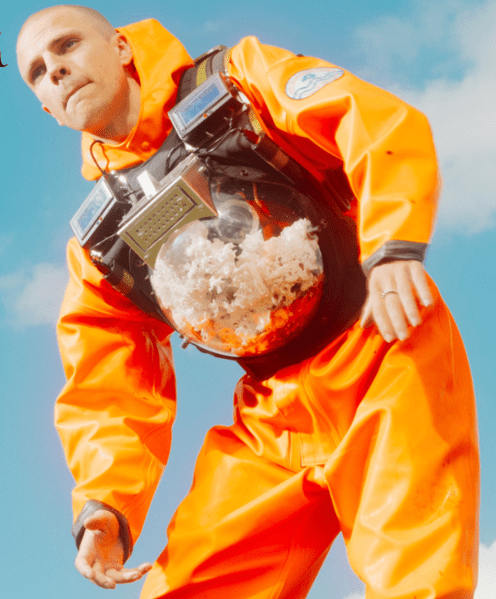
Hedström wanted to build a better world. At the same time, architecture was deeply implicated in what was wrong about the world. Around a third of global carbon emissions come from the construction industry and from the energy used to heat, cool, and operate buildings. Humanity is paving and enclosing the earth at an unthinkable rate…
Hedström’s, Fog-X, is a thigh-length outdoor jacket that can be converted into a shelter and repurposed, with the aid of lightweight poles, into a sail-like apparatus that collects drinking water from the air. An app provides real-time data to track fog and clouds. In February, the Fog-X won the global Lexus Design Award for young designers, beating more than two thousand entries.
Hedström believes that design often separates people from nature. His Fog-X is a design that aims to strengthen the human connection to nature by offering help to communities affected by the scarcity of safe drinking water.
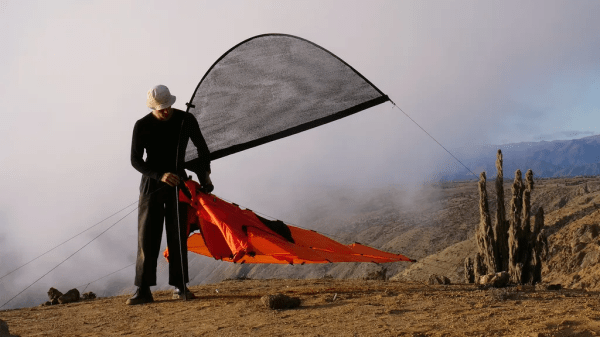
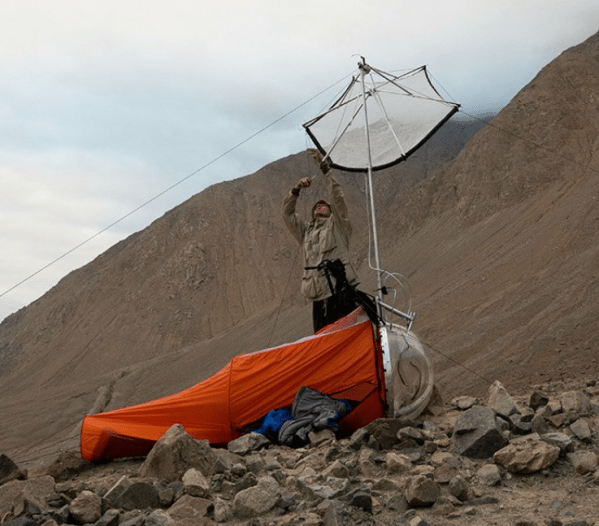
I learned about Pavels Hedström by reading Designing the Apocalypse in The New Yorker, the almost 100-year-old magazine famous for news, commentary, fiction, essays, poetry, and cartoons. The reference here is only part of a superb essay by London-based staff writer Sam Knight. It is about far more than Fog-X.
Hedström and designers like him find their lofty sustainability goals are frequently compromised by economic pressures. Hedström believes change is not optional. The following shows one example of an altering world and how human creativity might solve one regional problem.
By 2050, according to the World Economic Forum, there will be more plastic than fish, by weight, in the oceans. Hedström imagined a new economy for the islands, built around the rearing of insects—a low-carbon form of protein—and the decomposition of plastic waste.
Categories: Environment


 in-sights.ca