



Stewart Hicks is Assistant Professor of Architecture at the University of Illinois at Chicago. In the YouTube video below, he describes how a simple connecting device for roof trusses helped revolutionize the home-building industry. Prof. Hicks believes the gang-nail connector plate led to changes that worked well for the construction trades but had broad, less obvious effects. Not all have been positive.
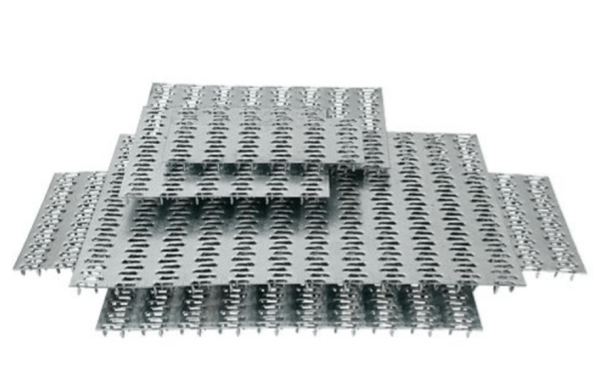
Here’s the big irony. The invention that is meant to make homes stronger and more efficient also played a huge role in creating less sustainable living patterns.
Instead of pocketing the savings that the trust plates offer, our houses ballooned to fill the gap, using even more energy and materials. In the end, it shifted our values from the handcrafted to the mass-produced, from the unique to the uniform, stretched our cities outward, consuming landscapes.
In altering our ecosystems, it changed how we interact with all sorts of things, like our homes, our neighbours, and our environment, and not always for the better.
How people actually live their lives at home, a meticulous, 10-year study of 32 middle class families:
Categories: ANFSCD


 in-sights.ca
A good example of Jevons Paradox in action.
https://en.wikipedia.org/wiki/Jevons_paradox
Another example is the LED light bulb. LEDs save a lot of energy but society has adjusted by increasing the number of lights per house. End result – no net energy savings.
LikeLiked by 1 person