



When I was in high school, I spent time working for my uncles at Mahood Logging Ltd. That experience took me deep into TFL 39, Block 1, to a camp known as Jim Brown Creek at the north end of Powell Lake.
At 17, I was flown in by Piper Super Cub and set to work immediately—hauling diesel fuel by hand up a rough slope from the end of a logging road to an excavator carving its way forward. No one had mentioned I’d be staying for days. By the end of the week, I smelled like the diesel oil that kept the machine moving away from the fuel supply truck. Each hour, my trek was a little longer.
The following summer, I returned. The crew traveled by boat, leaving late Sunday afternoons and returning 11 days later. Some of the younger men occasionally flew out to the city, looking for companionship and strong drink. The boat returning to camp sometimes had empty seats.
My job, as I liked to describe it, was “chief engineer in charge of electrical communications.” The crew had a simpler name: whistle punk.
This was just before radio communication became common. Each day, I coiled what felt like a thousand feet of heavy wire around my body and climbed the hillside. One end connected to the yarder’s air horn. The operator couldn’t see the hooktender or chokersetters usually working far up the side, so I relayed commands—go ahead, stop, slack—through whistle signals.
It was a job given to the least experienced worker, but it carried serious responsibility. A wrong signal could injure or kill someone. Bad positioning could put the whistle punk directly in the path of moving logs. It was work that demanded attention, even if it wasn’t always treated with the respect that responsibility deserved.
By summer’s end, I left for school thinking, “I’m glad I did it—but I won’t do it again.”
That memory came back to me recently after watching a video from the Tla’amin Nation. It described the return of a significant portion of their traditional lands and the pride of people now entrusted with caring for these forests.
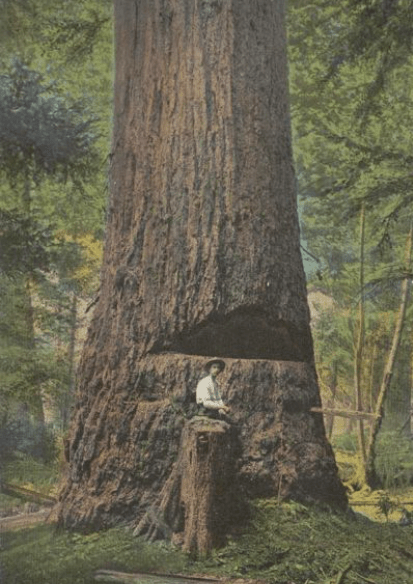
Decades ago, my uncles and other companies harvested old-growth timber from that same area—massive Douglas fir, hauled out one log at a time on trucks with 11-foot bunks. Of all the men working there, only one came from what was then called the Sliammon Reserve.
That may have been one more Indigenous worker than was employed at the nearby paper mill, built at the mouth of the Powell River after Indigenous people had been displaced.
At the time, none of this seemed unusual.
The forests were part of Indigenous territory, yet Indigenous people were absent from both the work and the decisions shaping the land’s future. What I experienced as a young worker was part of a much larger system—one focused on extraction, with little regard for long-term stewardship or historical presence.
Looking back, our treatment of these people was deplorable. Not just in the workplaces. We treated them badly in shops, theaters, sports fields, and education. It was 1963 when the first students from the Sliammon Reserve enrolled in Powell River’s senior secondary high school.
Today, something important is changing. The return of land to the Tla’amin Nation represents more than a legal transfer—it reflects a different relationship with the forest. One grounded in continuity, responsibility, and respect for what must endure.
I don’t regret my time at Jim Brown Creek. It taught me about the risks of logging and the hard-working people who risked their lives and made their living in those conditions. But I also recognize that the land itself carries a longer story—one that is finally being heard more clearly.
I wish the Tla’amin Nation well as they move forward, shaping a future where the forest is not simply used but cared for in ways that sustain both the land and the people connected to it.
Please enjoy this video.
Categories: Indigenous


 in-sights.ca
This is certainly a good news story. Indigenous nations take a multi generational approach to land use along with a holistic vision that incorporates the wellbeing of the ecosystem.
One thing concerns me though. I read that it cost Tla-amin nation $80 million to purchase back land that was stolen from them and logged to death. Am I the only one that does not understand this transaction?
Like Norm, I spent time in my early 20s logging TFL 39.
LikeLike