Category: Geothermal

Terawatts of clean energy

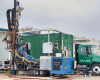
American company Quaise Energy is developing a new way to access the largest untapped energy source available. It will use established production methods of the fossil fuel industry, but the technology employed is new. Quaise intends to use beams of energy to vaporize bore holes through rocks and access deep geothermal heat.

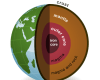
The heat beneath our feet

After writing about geothermal energy, I made a remark on Facebook regarding a Western Canadian company having to go to Bavaria to launch its first commercial clean energy project. I said that was because European policies are not dictated by oil and hydropower interests. That led to a response by Glen Clark, Chair of BC Hydro…

Geothermal, Eavor present energy

Months ago, I wrote Geothermal — clean, non-destructive renewable energy. It was about Calgary-based Eavor and the company’s use of unique drilling technology to realize geothermal energy. I have followed Eavor’s activities and noted recent developments, particularly in the Bavarian town of Geretsried…

Geothermal energy now!

The International Energy Agency involves 32 member nations and 17 other associates. Together, these countries are responsible for about three-quarters of global energy consumption and almost 90 percent of clean energy investments. IEA recently published The Future of Geothermal Energy. The report notes that modern technologies enable the world to produce clean, attractively-priced geothermal energy.

Geothermal: unlimited, affordable, on-demand renewable energy

A decade ago, the Union of Concerned Scientists published a paper “How Geothermal Energy Works.” It reported that the heat within 10,000 meters of the Earth’s surface offers 50,000 times more energy than all the world’s oil and natural gas resources. The problem is making that energy available. There has been little commitment to geothermal energy but one Canadian company intends to change that…

Clean energy solutions

In 2017, Site C proponents said the dam was required because British Columbia needed dispatchable electricity. According to those keen on the megaproject, low-cost wind and solar power could not be integrated into BC Hydro’s systems. At the time, 97.5 percent of the utility’s generating capacity was hydro. Like batteries, reservoirs store potential energy. When consumers use electricity from wind and solar sources, hydropower utilities keep water behind dams, ready for use when needed…

Boundless, scalable, clean energy

Decarbonization is a catchword used by the fossil fuel and nuclear power industries. But those groups cannot eliminate inherent dangers. Unless we develop safe, carbon-free energy sources, we cannot sustain current standards of living. And, perhaps we cannot sustain human life in the long-term. But, as billions of public dollars pour into subsidies of dangerous energy sources, promising technologies seem to get minimal support from governments…