


Wind and solar are zero-carbon energy sources. When used to produce electricity, these renewables are less harmful to Earth’s climate than hydropower.
U.S. Environmental Protection Agency published a lengthy Inventory of U.S. Greenhouse Gas Emissions and Sinks. It shatters the idea that hydropower is clean energy, free of greenhouse gas emissions:
Methane is produced in reservoirs through the microbial breakdown of organic matter… Methane produced in reservoirs can be emitted from the reservoir surface or exported from the reservoir when CH4-rich water passes through the dam. This exported CH4 can be released to the atmosphere as the water passes through hydropower turbines or the downstream river channel.
Mark Easter, senior research associate at Colorado State University, said, “Reservoirs are giant methane factories.”
Easter, who has contributed to multiple landmark climate reports by the United Nations’ Intergovernmental Panel on Climate Change, is part of a growing chorus of scientists and climate advocates who say too many conversations about clean energy refer to hydropower as if it doesn’t have a significant carbon footprint, despite studies that have long suggested it does.
A robust body of research, some of which dates back to the late 1990s, has found that the reservoirs created by dams are notable sources of both carbon dioxide and methane, a potent greenhouse gas that’s about 80 times more effective at trapping heat than CO2 over a 20-year period. One estimate suggests that hydropower makes up at least 1.3 percent of total global carbon emissions—though many scientists believe it’s likely higher.
Researchers say that methane is one of the biggest issues with hydropower…
Some research, like this 2016 study published in Environmental Research Letters and another 2016 study published in PLOS ONE, found that the greenhouse gas emissions produced from many hydroelectric dams—such as Nevada’s iconic Hoover Dam—can even rival the emissions generated by fossil fuel power plants. In fact, one seminal study, published last year in Nature Geoscience, found that global emissions of methane from reservoirs are increasing over time, meaning their impact on the climate will grow if more isn’t done to mitigate it.
Inside Climate News
Beginning about a decade ago, British Columbians have been sold a bill of goods. Dam building makes more than a few corporations rich and the people involved have consciously ignored science that shows hydropower results in greenhouse gas emissions greater than alternatives.
The main reason BC has ignored wind and solar power solutions is that people of influence in this province were not positioned to gain wealth from these less harmful renewable energy sources. Make no mistake, self-interest and corporate inertia are powerful forces that determine public policy.
From the megaproject’s beginning, opponents of Site C have argued for renewables that would not create a new reservoir 83 kilometres long covering 23,000 acres, inundating the best farmland in northern BC and other lands used by Indigenous people for millennia.
Standing on unstable ground, this high-risk gamble made no sense at a cost of $8 billion, and makes even less sense at $16 billion to $24 billion. Near the beginning of 2021, Premier Horgan announced the $8 billion cost of Site C had doubled. Since then, BC Hydro has not updated the budget publicly.
Don’t be surprised if another shocking budget bump is announced for Site C. Watch how costs of the Trans Mountain pipeline grew from $7 billion to $31 billion, and the Coastal GasLink pipeline budget rose from $6 billion to $15 billion. Since those fossil fuel projects are unfinished, we can safely assume the budgets are also incomplete and subject to further increases.
So what should this province do to meet its future energy needs? There are many low- or zero-carbon solutions.


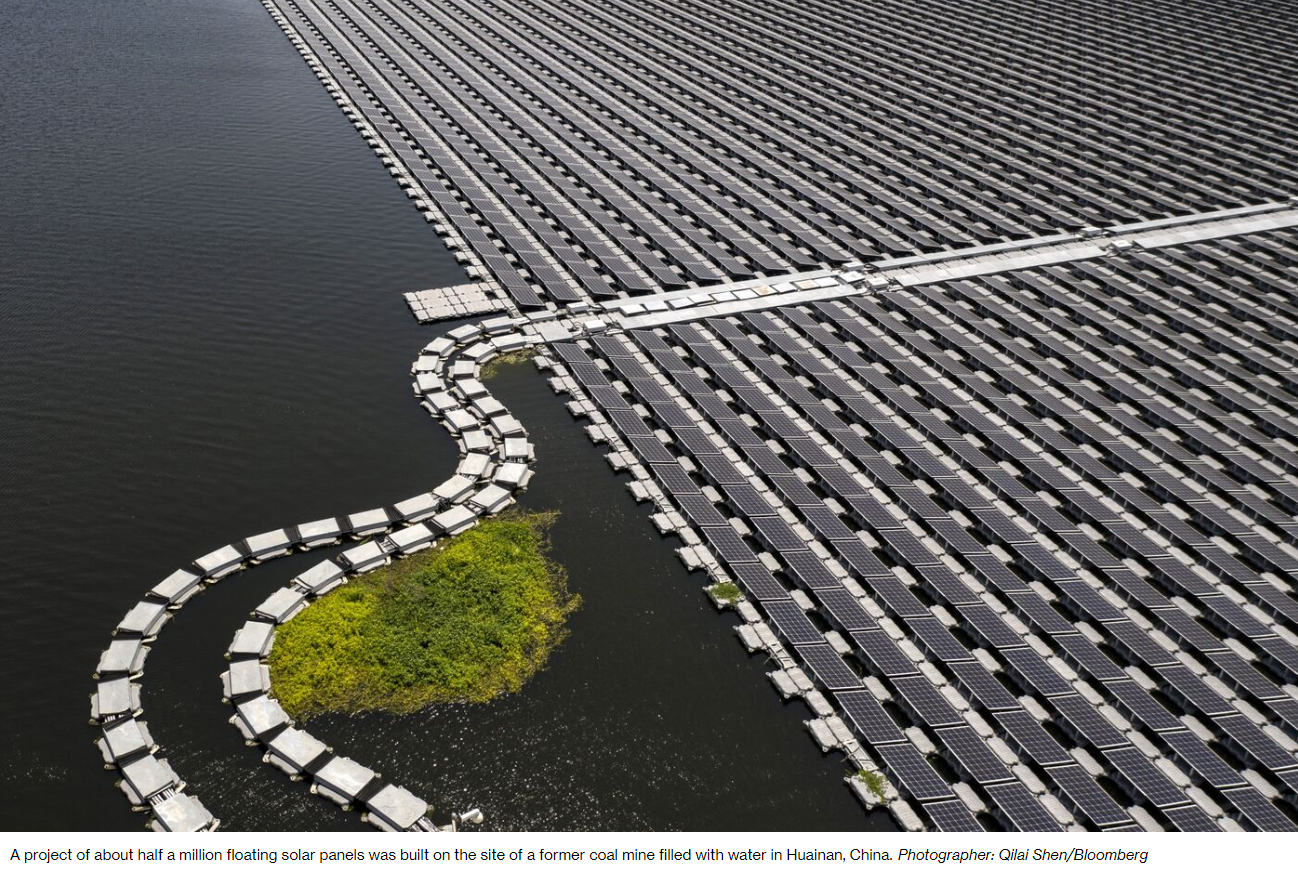
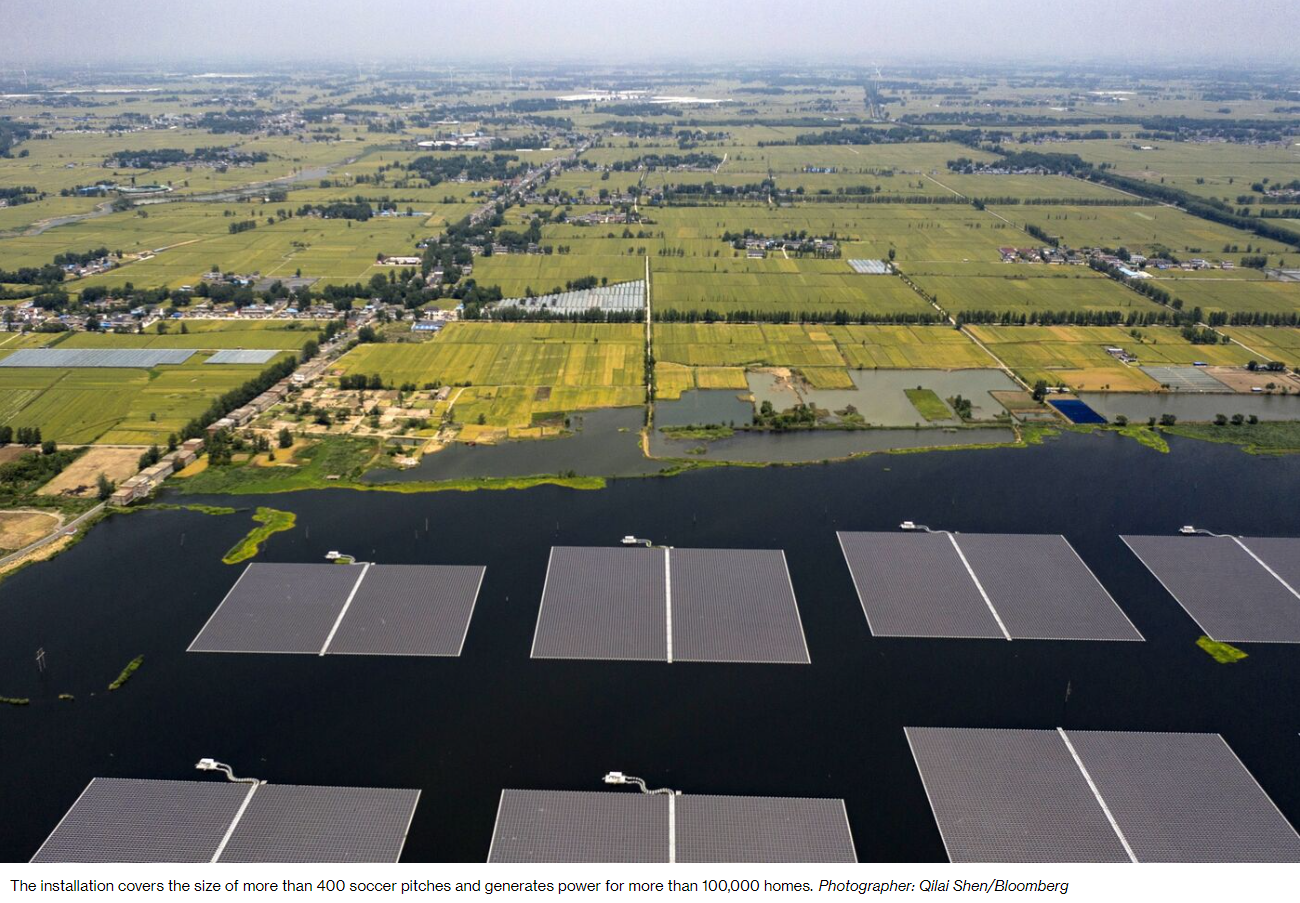
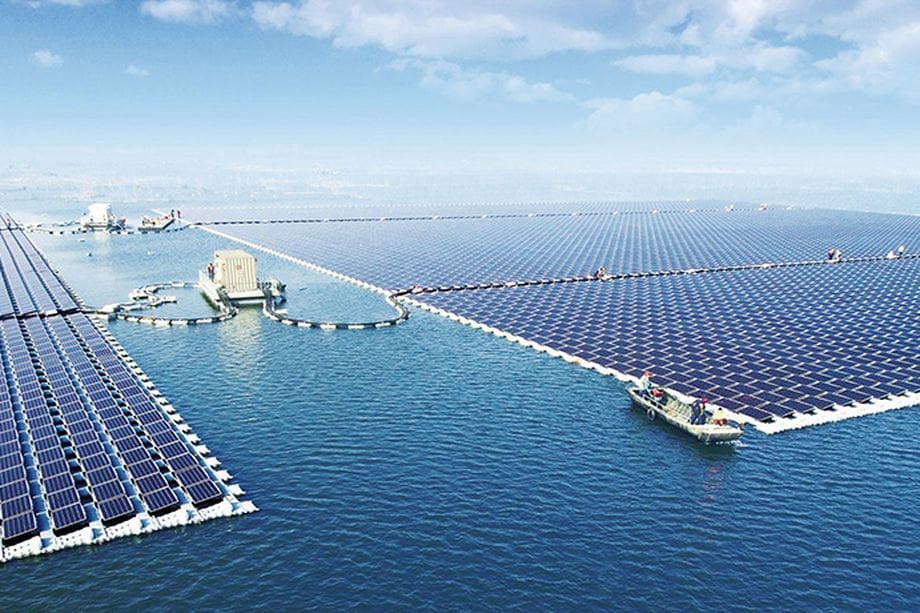
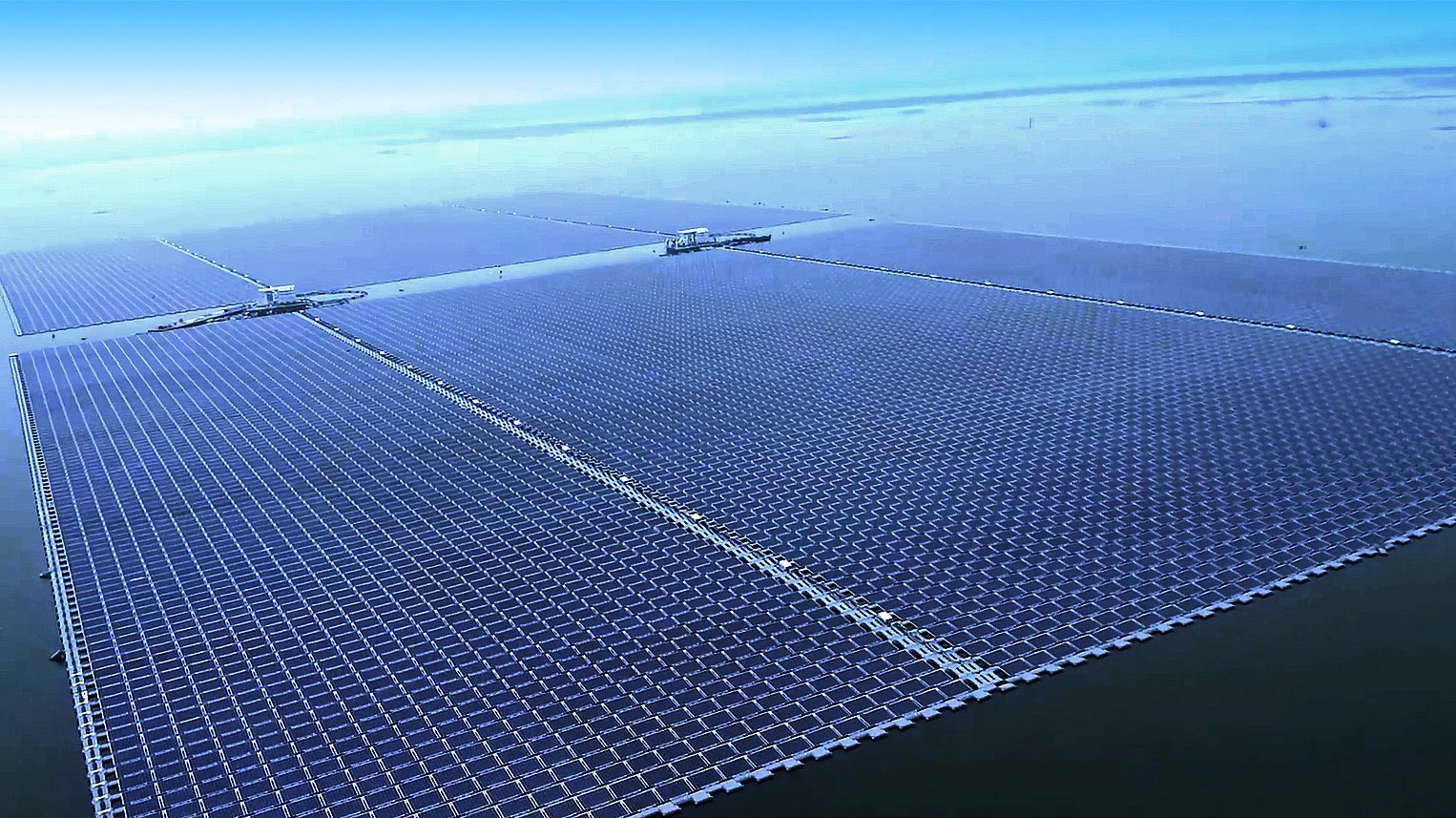
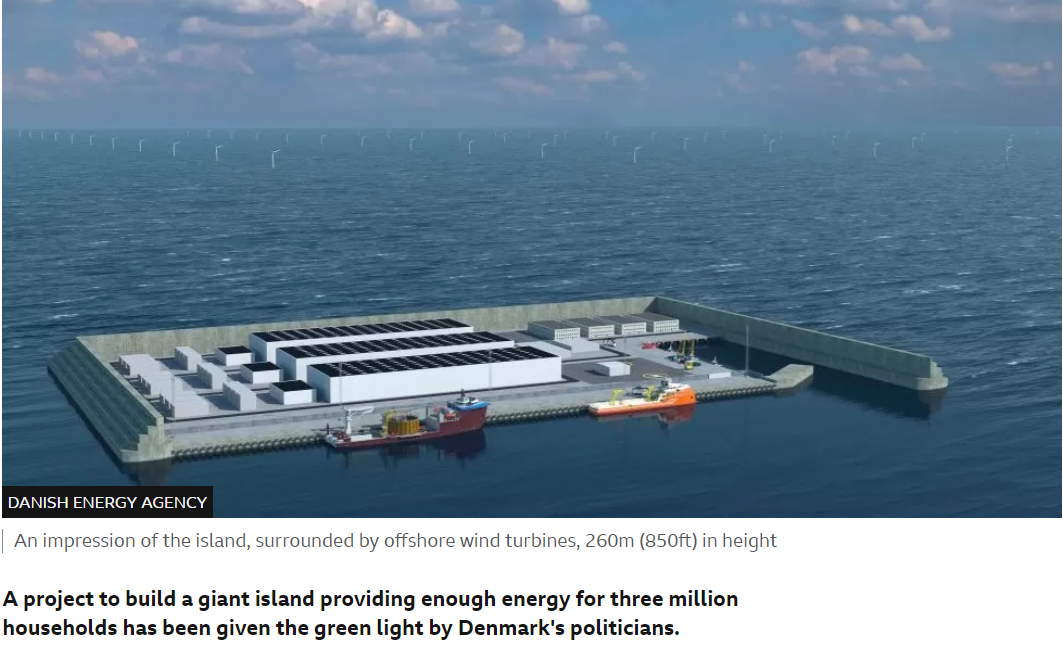
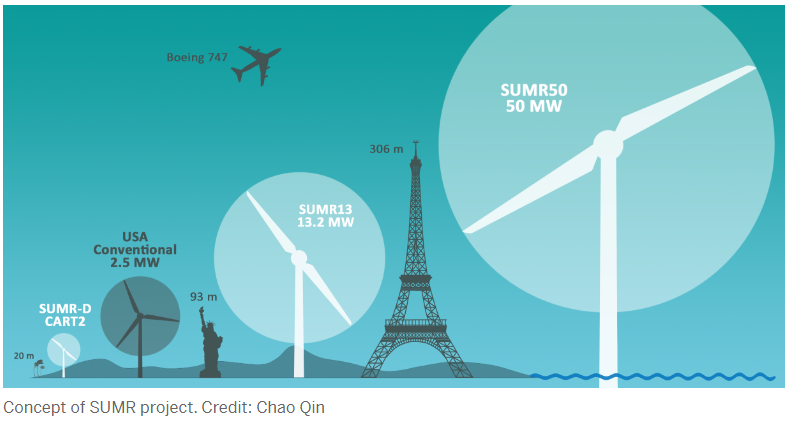

If we learn from Site C and other climate damaging projects, we will take a different course. The main purpose of enriching special interests has already been served by tens of billions of dollars spent. Now, stop them, send everybody home, and treat them as permanent monuments to greed and stupidity.
Leave unfinished the Peace River dam 7 kilometres southwest of Fort St. John. Rename it the Horgan/Clark Boondoggle. Return land to expropriated farmers and make BC Hydro’s remaining land holdings in the region available to young farmers under terms similar to the 1872 Dominion Lands Act .

Categories: Budget & Estimate Disasters, Energy


 in-sights.ca
How can one be on topic AND civil?
This multibillion boondoggle (not including the interest charges AND loss of property) defies civil rational!
LikeLike
Site C is a big waste of money given the other needs in the province. Yes, it provides jobs, but those will end and the people will be unemployed again. Had we invested the money in other things, we’d be further ahead.
The problem with Site C, besides it could collaspe, is the land being flooded. It’s just not worth it. We have climate change. We don’t know what the future holds so to flood land which is productive isn’t the smartest thing to do. When Williston Lake was flooded in the 1960s it wasn’t pretty. There is an old black and white documentary which tells the story of how families and their farms were destroyed. Indigenous land was flooded along with their cemetaries, homes, churches, and sacred places. The impact on families was horrible.
I’m still not sure of the impact of solar panels but I’d prefer them to dams. Wind turbines and using the ocean waves always had an appeal.
Incineration has also been used to create power, especially in some european countries. It gets rid of garbage and creates power. There are differences of opinion as to its value. It would work for me. Just filling landfills is not an answer. We’re going to run out of space and it can contaminate the ground water. Now some argue burning garbage is air pollution. However, some studies show that pollution is less than many other sources or from other methods of creating power. When incinerators have efficient “scrubbers” the amount of pollutants is minimal. The other benefit is, you get rid of garbage, don’t flood land and the cost is less and there is no dam which could fail and flood everything from here to alberta.
B.C. had the Burrard Thermal Plant which made way more sense. The best thing about it was how close it was to the major centers of population. Having most of the people living in the south and the power plants in the north, that could be a problem. Perhaps not now, but when it does happen it won’t be fun
Today”s news advises we have 380 forest fires in the province. Yesterday it was 370, and the day before that 360. We have a problem in the world–excess heat. One area reported 120 degrees. Given the large number of people living in substandard housing, housing without air conditioning and being just plain homeless, we need to improve. People can die of this heat and death is a real drain on an economy.
LikeLiked by 1 person
I agree that garbage (especially plastic) is a source of energy. How does it make sense to burn oil but not to burn plastic, which is made from oil? At least that way the oil used to make plastic serves more than one purpose.
LikeLike
E.A.F., I agree with much of what you say, but not about waste incinerators.
“Due to increasing quantities of waste sent to incineration, incinerators will emit more toxins and pollutants that harm local air quality. Incineration makes a more significant negative contribution to local air quality than landfill.”
What are the environmental impacts of waste incineration?
We have less harmful ways of creating energy. Now we need to work on reducing and reusing the material that ends up in landfills. Those sites are material emitters of methane.
LikeLike
People now employed in the Site C project have multiple skills which can be translated into work building renewable energy projects. And trades are desperately needed in urban centres to build affordable energy-efficient housing. I assume the dam builders had to move from former homes to work on that project, so they can move to where wave-action/deep geothermal or other forms of electricity production will be located. Investors, not government, should be doing these projects so that taxpayers are not footing the bill. However, I do not agree that Wind and solar are zero-carbon energy sources.. Just as with fossil energy production, we must count the extraction of materials for the production as well as to the end use. Creating solar panels and wind turbines uses resources, mining, and movement of the components to sites so they DO contribute to pollution. It is just a matter of degree. I do not understand where reservoirs already in existence in Canada are getting the bacterial material to digest to make methane?
LikeLike
Of course, the best way forward is to reduce consumption of energy and limit greenhouse gas emissions. There are many ways to do that, such as building retrofits, imposition of energy efficiency requirements on vehicle manufacturers, identifying and fixing sources of methane release, etc.
The ways hydro reservoirs continue to emit methane is described in the EPA study linked in the article.
We can use steel made without fossil fuels. That was first delivered two years ago.
New methods of recycling solar panels exist and efficiency and lifespan of these materials has been improving.
LikeLike
Yes all true but you know what? Not enough voters (those
that actually vote) constitute a voting majority to stop the existential
threat to our species. Which means the majority that could
effect a change are either quite comfortable remaining just ignorant
or comfortable with their conspiracy driven believe system or they just
don’t care. They certainly don’t come here.
It’s Monty Hall.. Pick one. Unfortunately no winner behind any of
the three doors.
LikeLike
I have been trying to understand better what should be straightforward, but failing. Lately I think I am starting to connect some dots that some unmentionable people might not like me doing.
In the last part of the last century Statistics Canada and a like group in the US decided that changes in the cost of living index would only include those prices determined by “market ” actions. That meant that prices for goods and services by a monopoly ( like various types of taxation) would not have a place in the consumer cost of living increases. This deliberate alteration in the way the index was calculated meant that the public’s perception of the CPI was wrong by as much as half. Current property taxation bears out this degree of wrongness.
In 1998 Pres. Clinton appointed B. Born to supervise the trading of futures and derivatives. New York “greed is good” folks did not want records and discloser so they ran her out office by 1999.
Emerging from events like these is a picture described by the phrase, “Two Economies”. There is several voices now regularly featuring this concept but two of the more prominent are Michael Hudson and Scott Andrew Smith.
The later has a recently published book with the title “A Tale of Two Economies”.
I only offer this to help others better understand what seems unduly complex.
Difficulty is mostly there because it creates a place to hide just like the reality that the government of Canada does not wish to justify why they provided no cost insurance to our commercial banks in the form of $160 billion safe haven at the CMHC in 2019 and a safe haven at the BoC in 2022.
Regards and best wishes to Norm as he transits his heart op.
LikeLike
Like the comment. Always wondered why governments said the cost of living had gone up …..% but grocery costs were higher as were our price of gas, cost of housing, etc. Didn’t make a lot of sense and then one day it dawned on me, back in the 1970s, if the cost of lving was kept low then the government and a lot of businesses saved money. Figured that out in the 70s when the government announced what the unemployment rate was, while when going to towns in the interior, etc. it was oh so much higher. Then discovered any one who had been unemployed for over a year, wasn’t counted as unemployed. Saved the government a ton of money when it came to paying out UIC
Statistics can be made to “say” anything the creater of the stats wants them to say.
LikeLike
The BC Government website https://cleanbc.gov.bc.ca/about-climate-change/drivers/energy/ is world class. In gaslighting and false promise.
“By 2030, B.C. will:
* Phase out BC Hydro’s last gas-powered facility so the electricity we make is 100% clean
* Reduce emissions from our gasoline and diesel supply by 30%”
“B.C. is a leader in taking strong action to protect and preserve our environment.”
“All new buildings will be emissions free by 2030. Methane emissions from the oil and gas sector will be cut by 75% that same year, and the sector will cut emissions by at least 1/3 by 2030. Emissions from natural gas utilities will be capped and cut nearly in half.”
Anybody believe any of that? Anybody believe the BCNDP Cabinet, including the Minister responsible for this bill of goods he expects you to buy actually believes it? I think not.
What we are faced with is a government that spends a lot of time and resources trying to get you to believe it’s taking the required action rather than actually, you know…acting.
It isn’t the Energy Act. It’s the Clean Energy Act. It isn’t the Site C Dam. It’s the Site C Clean Energy Project.
Actual results may differ.
LikeLike
We are so @#$%!! backwards in this province it is like we are living in the 60’s and not 60 years later.
Every new build building, should have solar panels installed. There should be affordable devices that the homeowner could buy, that would produce both solar/wind power to supplement the power the owner uses or return excess power to the grid and the owner compensated.
We should be doing this now and not spend tax monies on silly advertising having huge economies of the truth.
it is true, “for whom the gods wish to destroy, they make mad first”. Our politicians are mad as hatters.
LikeLike
To put some “meat on the bone”, so to say, our property taxes (not assessments) increased by 300% for land and 218% for improvements over the period from 2008 to 2023. I know our pension incomes never came close to matching those numbers, at least less than half.
Property taxation is formally known as REGRESSIVE, which is a taxation design that does not recognise the resident’s capacity to pay. I know our Premier and Fin. Min. are aware of this condition because they have my letter.
Ask yourself how many seniors on fixed income are facing the prospect of being made homeless, even after selling assets they might have and borrowing against the assessed price of their residence. There is a reason why Canada has the largest per capita debt of G 7 nations.
This is a demonstration of what Micheal Hudson is writing about when he uses the term “Financial Economy” versus “Real Economy”.
LikeLike