



The U.S. Department of Energy (DOE) reported that wind and solar accounted for 71 percent of U.S. electric-power capacity additions in 2022. 8.5 GW of wind power capacity was added for investments totalling C$16 billion.
By comparison, Site C will cost at least C$16 billion and provide 1.1 GW of power capacity.
However, BC Hydro has not updated the dam budget for three years. In the same period, cost estimates for the Trans Mountain pipeline increased 145 percent. The same inflation is unlikely to affect Site C’s budget, but do not be surprised if the cost of BC Hydro’s megaproject is revealed after the October 2024 provincial election to be a number between $20 billion and $24 billion.
The American DOE reports the unsubsidized average levelized cost of wind energy had fallen to around $32/MWh in 2022. The LCOE of Site C electricity will be more than six times that amount.
The gap between wind and solar prices has narrowed, as solar prices have fallen more rapidly over the last decade. Falling renewable prices are exactly what Site C opponents were predicting ten years ago. They did not dispute the long-term need for new sources of energy, but argued the hydro dam would be unnecessarily destructive and more costly than conservation or alternative power sources.
But BC Hydro wanted to build a dam and corporate inertia is a powerful force. Senior people at the utility had worked on the project for years and management was ill equipped to embrace modern renewable technology. Site C ensured more than a decade of secure employment in the utility’s offices and in the chambers of privileged consultants.
BC Liberals believed Site C was a key part of the LNG dream that fueled their election plans. Liquefaction of natural gas is a high energy consuming process and the LNG industry would boost demand in BC Hydro’s flat markets.
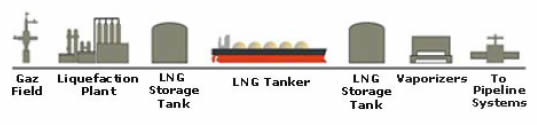
Gas is chilled to minus 160° C (minus 260° F) to convert it to a clear, colourless, and odourless liquid. Energy is consumed at every stage from the gas fields to the points of consumption. According to scientists independent of the fossil fuel industry, LNG is about as bad as coal if all leaked methane is counted.
But that mattered little to decision makers trying to prove they were friendly to big business.
Elected officials in British Columbia have been concerned about gaining political ground when they form energy policies. They didn’t much care that under secret IPP contracts, private producers owned outside BC were exporting billions of dollars that could be circulated within the province.
Instead of being concerned for business leaders, the BC NDP worried about friends in the labour movement. They owed favours to unions that had provided financial help during days when the party was so short of funds it had to sell its Burnaby headquarters. Despite what was said publicly, killing a white elephant in 2017 was never an option for the NDP.
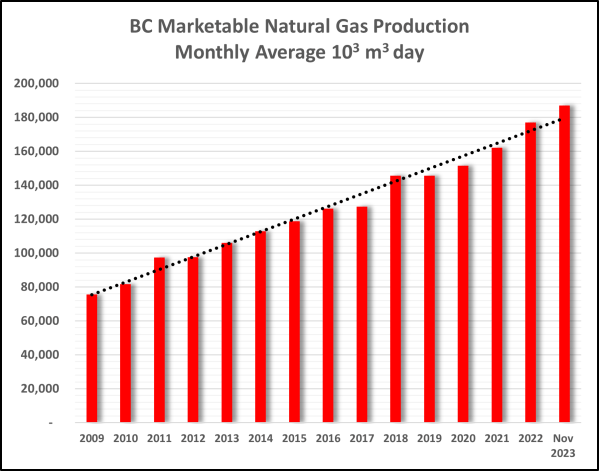
BC Liberals had said that facilitating megaprojects proved they were the party of growth and prosperity. They painted their opponents as “the party of no.” When the NDP narrowly defeated Liberals in 2017, Premier Horgan’s cohort believed that mirroring Liberal economic policies was the surest way to duplicate the right-wing coalition’s long success at the ballot box. NDP chose to support megaprojects and increased fossil fuel production.
The choice also signaled the NDP’s move to the right. Instead of socialism, the party of Douglas, Lewis, Broadbent, and Layton embraced neoliberalism.
If you find value in posts and dialogue at IN-SIGHTS.CA, please consider financial support to help with research. Significant payments for site hosting and subscriptions for software and news sources are required and the site carries no advertising.As Medium CEO Tony Stubblebine said, “It’s expensive to write about things that you don’t already know.” Supporting this work is a straightforward process explained HERE.
Categories: Energy


 in-sights.ca
It is disgusting to see the money that was wasted on Site C. Just imagine how much better use that $16 billion could have gone towards. When the need for more power did come, smaller distributed generation projects could be built as needed in relatively short time frames and for much cheaper.
Norm, your analysis of the various political agenda’s that managed to keep the project moving forward is spot on in my opinion. I think one has to go back to Premier Bill Bennett to find the last politician who when task with making a decision on Site C…… made the right one!
LikeLike
I was listening to Kevin Falcon on a talkshow today and he couldn’t contain himself about how proud he was being a member of the party that hatched Site C dam and signed up all the IPP contracts. I think he actually believes himself.
LikeLiked by 1 person
“Instead of socialism, the party of Douglas, Lewis, Broadbent, and Layton embraced neoliberalism.”. Really ? or perhaps..
“The choice also signaled the NDP’s move to the right. Instead of socialism, (the party of Douglas, Lewis, Broadbent, and Layton) the current NDP party has embraced neoliberalism”.
LikeLike
Norm
Maybe my observation is incorrect but the last sentence could be interpreted differently than what was intended. No?
LikeLike