


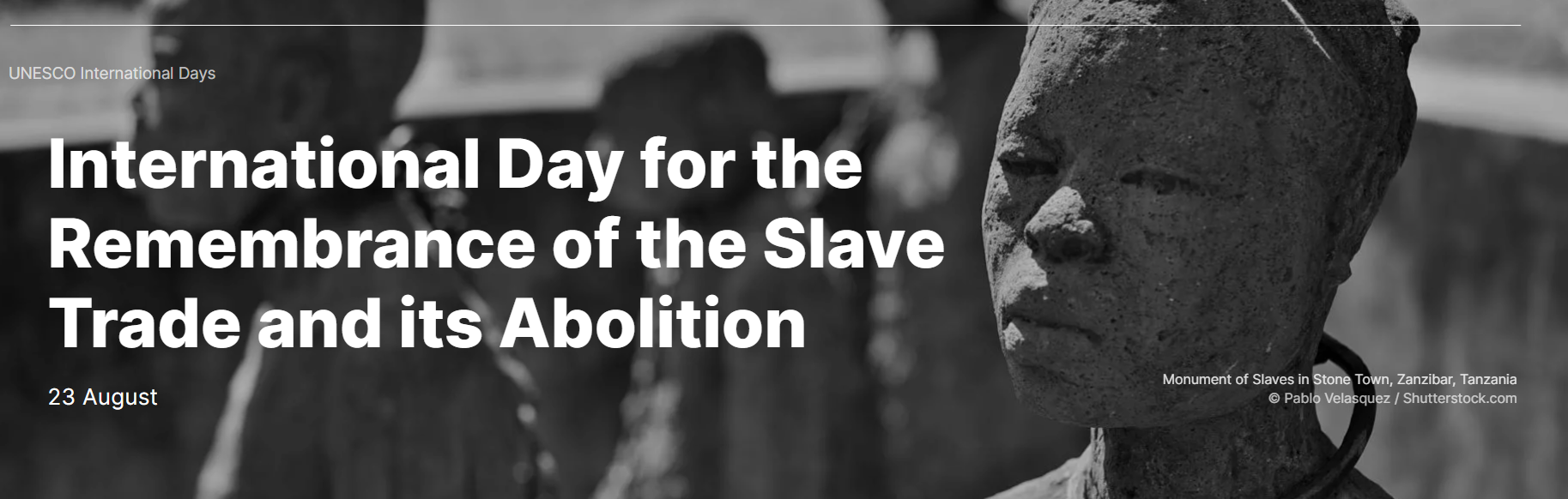
This International Day is intended to inscribe the tragedy of the slave trade in the memory of all peoples.
My first memory about Africans was from a Baptist church in East Vancouver. A missionary was exhorting youngsters to contribute dimes, quarters, and dollars so he and others could travel to Africa to convert savages to Christianity. We were shown pictures of scarification, lip plates, body painting, and unique adornments. All this was to convince us that people across the ocean needed to learn to be more like us. White superiority was a given for all the White persons attending that church.
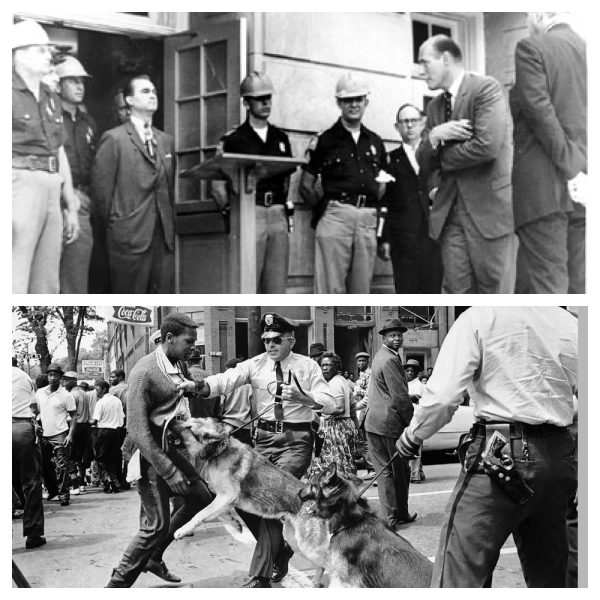
In the early sixties, TV news and movie newsreels gave us information about the civil rights protests. We saw Governor George Wallace stand in a Tuscaloosa doorway in 1963, aiming to stop two Black students from attending the University of Alabama. We saw Birmingham police using clubs, fire hoses, and dogs to attack Black people demonstrating against racial segregation.
Like others of the boomer generation, I learned little in school about slavery, the civil rights movement, and black history. Certainly, we were never taught that thousands of enslaved people were bought, sold and confined in the British and French colonies that became Canada.
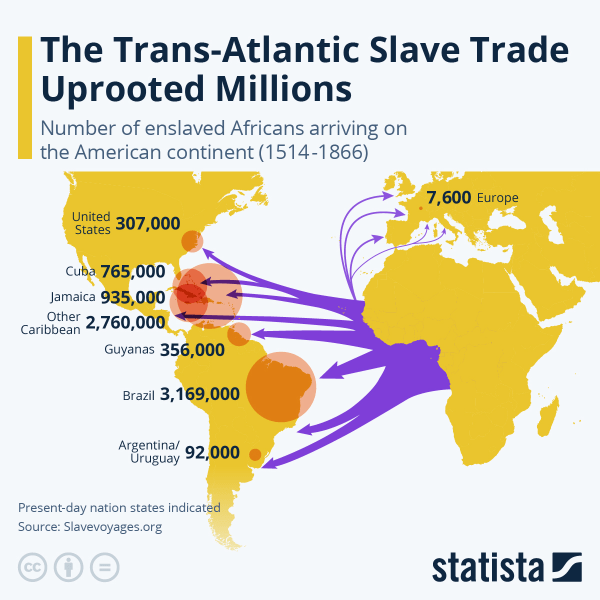
Britain legislated against slavery throughout its empire in 1834. India was excepted until ten years later. France abolished slavery in 1848 and the United States did the same months after the country’s deadly civil war ended in 1865. Brazil, the country in the Americas receiving the largest number of slaves, did not abandon enslavement until 1888.
For 350 years, slavery was the heart of the Brazilian economy. According to historian Emilia Viotti da Costa, 40 percent of the 10 million enslaved African brought to the New World ended up in Brazil. Enslaved persons were so pivotal to the economy that Ina von Binzer, a German educator who lived in Brazil in the late 1800s, wrote: “In this country, the Blacks occupy the main role. They are responsible for all the labor and produce all the wealth in this land. The white Brazilian just doesn’t work.”
.
I can’t remember my schools teaching about the slave trade’s frightful scale, although tens of millions of humans were affected. I surmise that changed in the years after I finished formal education.
I wonder if today’s teachers mention that many people live in conditions little different than those faced by 19th century slaves. According to the international human rights group Walk Free, almost fifty million people exist in modern slavery.
Modern slavery is hidden in plain sight and is deeply intertwined with life in every corner of the world. Each day, people are tricked, coerced, or forced into exploitative situations that they cannot refuse or leave. Each day, we buy the products or use the services they have been forced to make or offer without realising the hidden human cost.
Understanding the Scale of Modern Slavery
According to Walk Free, modern slavery is linked with global challenges such as climate degradation, gender inequality, conflict, and lack of effective healthcare. Collectively, we could do something about these tragedies, but not as long as we value wealth accumulators more than oppressed people.
The SlaveVoyages website is a collaborative digital initiative that compiles and makes publicly accessible records of the largest slave trades in history. Search these records to learn about the broad origins and forced relocations of more than 12 million African people who were sent across the Atlantic in slave ships, and hundreds of thousands more who were trafficked within the Americas. Explore where they were taken, the numerous rebellions that occurred, the horrific loss of life during the voyages, the identities and nationalities of the perpetrators, and much more.
Addendum
Hundreds of modern slavery victims may be being locked up in prisons across England and Wales, an exclusive investigation by openDemocracy can reveal…
Our findings suggest “there are likely more victims of modern slavery in prison than there are traffickers,” said Marija Jovanovich, an academic at the University of Essex’s Law School who specialises in researching human trafficking and modern slavery…
Categories: Justice


 in-sights.ca
Vermont was the first ‘state’ to abolish slavery.
https://www.reuters.com/article/economy/chronology-who-banned-slavery-when-idUSL15614649/
Also read https://foodispower.org/human-labor-slavery/slavery-chocolate/
Deborah Cadbury also mentions slavery to cocoa in her interesting book
Chocolate Wars.
TB
LikeLike