


In 2001, BC’s party of big business was called Liberal; in 2024, it is labeled Conservative. Different names; same purposes. Many voters in the October 2024 election were not even born when BC’s right-wing coalition took power in 2001. As a result, I offer this reminder of the Liberal’s BC Rail scandal and explain how that affected BC Hydro.
Having lost the provincial election in 1996, partly because he promised to sell publicly owned B.C. Rail, Liberal leader Gordon Campbell pledged during the 2001 election to not sell the profitable railway. That was strategic misrepresentation, which is also known as a lie. Given a massive majority in 2001, Gordon Campbell quickly began the process of selling BC Rail.
David McLean was then Chair of CN Rail, a donor that helped finance BC Liberal activity. Years before, McLean had been part of the business group that decided Campbell should replace the more progressive Gordon Wilson as leader of the BC Liberal Party. McLean had major investments beyond CN Rail, including several companies involved in the BC film industry, which was heavily subsidized by Campbell’s government.
British Columbia is booming. At least it is if you’re David McLean. Of all the British Columbians who’ve prospered under the Liberals’ New Era, McLean might be the top of the list.
The various business interests of the long time Gordon Campbell supporter and fundraiser have benefited, to the tune of hundreds of millions of dollars, from Liberal policies over the last four years.
How Gordon Campbell’s Policies Made a Rich Friend Far Richer
CN Rail was given confidential information about the public railway that was not made available to other interested parties. Bidders dropped out while describing the process as unfair and slanted in favour of CN Rail. No person was surprised when McLean’s company became the new owners of BC Rail.
Controversy over the sale of the public rail line continued for several years. Dave Basi and Bobby Virk plead guilty to corruption charges after Campbell’s government paid out $6 million to benefit the two BC Liberal ministerial aides.
Something not widely known is that BC Rail troubles put a chill on an even larger plan for privatization. The plan involved BC Hydro, a crown corporation that had operated successfully since 1961. The company was formed after Premier W.A.C. Bennett decided a public utility was necessary since the private sector was under serving rural areas.
In the early 2000s, “The Smartest Guys in the Room” had shown a little crooked manipulation could quadruple wholesale electricity prices in Western USA. BC Hydro was benefiting by selling into the American market. That had several Liberal donors salivating. They wanted BC Hydro privatized. Even without export sales, the company was a stable, profitable monopoly.
Controversy surrounding BC Rail meant that it was politically dangerous for Campbell’s Liberals to dispose of BC’s most important crown corporation. An alternative plan involving independent power producers (IPPs) was followed. Initially, the aim was for IPPs to sell directly to the American market and profit from high export prices. But the collapse of Enron also meant normalization of electricity prices in western States.
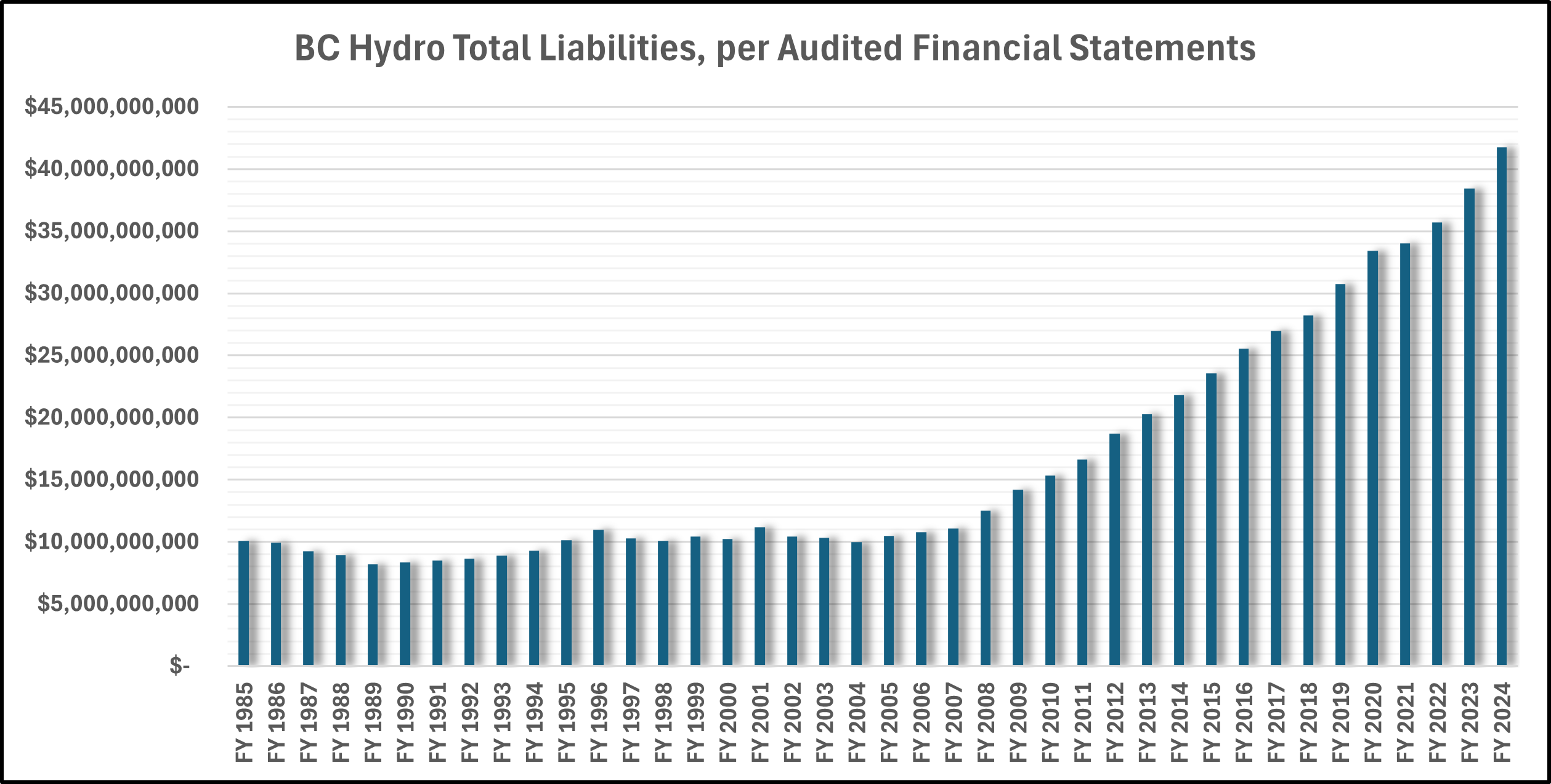
As a result, BC Hydro was required to contract for private power, whether it was needed or not. Since Campbell’s first days as Premier, IPP purchases amounted to more than $20 billion, $13 billion of that in the last ten years. IPPs were paid more per kilowatt-hour than many of BC Hydro’s customers were charged for electricity.
In effect, BC Hydro was not privatized, but much of its cash flow was. That and other factors turned a once stable company into one loaded with debt and forced to follow dramatically wrong policies.
Categories: BC Hydro, Independent Power Producers (IPP)


 in-sights.ca
Thanks Norm for the trip down memory lane. We are supposed to learn from history, but too often we do not. If only BC Hydro was permitted to run with true business smarts that were in the best interest of us the consumers and owners. Site C would never have been built if that was the case. One other disgrace foisted upon BC Hydro was the practice of “deferral accounts” by cash hungry governments.
LikeLiked by 1 person
state captured for quite some time?
LikeLike