


John Rustad and Kevin Falcon talk about red tape reduction, but the real goal is deregulation, something demanded by their business sponsors. But regulations are vital tools for improving our day-to-day lives. These promote trust, predictability, and stability. Regulations protect consumers from unsafe products and unfair business practices such as collusion and price-fixing. They exist to protect public health and safety and the environment.
Ten years ago, Rafe Mair wrote:
Enforcement rules are usually referred to by industry and their captive politicians as “red tape” and “de-regulation” or “streamlining” become buzzwords. It’s assumed that if all of these silly bureaucrats would stop trying to enforce idiotic safety regulations, we would all make lots more money. The notion perpetuated by industry is that every rule and regulation is there to stop them making money and, of course, distributing that generously amongst the less well-off in the community, and that these stupid bloody rules should all be tossed aside or ignored; that government regulation, whether it be by way of safety in a factory or a mine, or protection of fish and wildlife, are all bureaucratic nuisances set in place by “socialists” to prevent the entrepreneur from doing great things.
This is the history of these matters. When you read about the struggles of labor unions to get essential safety features into the workplace and see just how minor those reforms were and the fuss the politicians and industrialists made, you can’t believe that caring human beings with souls were involved on the corporate and government side.
In his report Willful Blindness? for CCPA, Bruce Campbell commented:
The federal government’s laissez-faire attitude to regulation is reflected in its incessant use of the term “red tape,” which implies that regulations are a burden on business rather than a legal mechanism to protect the public interest.
We do not need less regulation; we need more effective regulation.
The 2014 tailing dam breach at BC’s Mount Polley mine was an example that showed the need for strict oversight of dangerous industrial activities. The disaster spilled huge quantities of lead, cadmium, and arsenic. Canada’s worst mine waste disaster cost BC taxpayers $40 million in clean-up costs but Imperial Mines faced no charges and no fines. An expert report blamed inadequate design but noted that no government inspections of the Mount Polley dam were performed in three years before the failure.
In 2023, earthquakes killed over 55,000 people in Turkey and Syria. Much of the devastation could have been avoided if effective building regulations were in place and enforced.
Also in 2023, a Norfolk Southern train derailment in Ohio affected the health of residents and caused more than C$1 billion in damages. Before that, the rail company helped kill a federal safety rule that aimed to upgrade Civil War-era braking systems. The company’s 150-car train was transporting dangerous materials but was not being regulated as a “high-hazard flammable train.”
This month’s Hurricane Helene killed more than 160 people and caused damages said to be above C$200 billion. Much of the destruction happened far from where the storm hit land in western Florida. Inadequate building codes and warning systems are partly to blame for damage in inland areas.
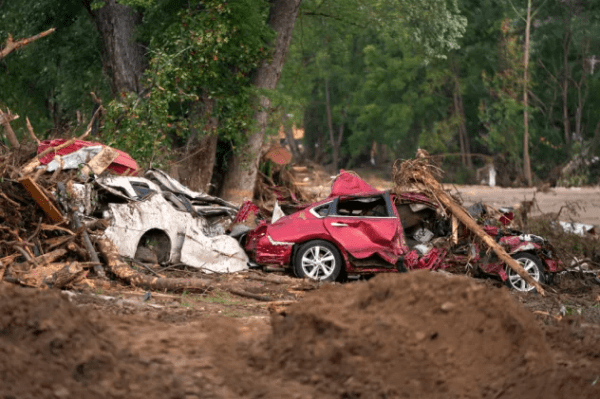
Regulatory disasters are catastrophic events or series of events which have significantly harmful impacts on the life, health or financial wellbeing of individuals or the environment. They are caused, at least in part, by failures in, or unforeseen consequences of, the design and /or operation of the regulatory system put in place to prevent those harmful effects from occurring.
LSE Law School – Learning from Regulatory Disasters
Historical records are littered with regulatory failures that resulted in mass destruction and human casualties. Voters should not be fooled when politicians promise to reduce “red tape.” They are more interested in protecting corporate profits than protecting human lives and property.
Categories: Deregulation


 in-sights.ca
Wants to end the moratorium on Nuclear power stations in BC. Can’t get anything more profitable for Big Biz and their partners Big Union than building a nuclear power plant and then storing the waste in perpetuity. Even more lucrative than building Site C.
LikeLike
A bit late but!!
LikeLike