


According to the latest UN’s Emissions Gap Report, global greenhouse gas emissions in 2023 reached a level unprecedented in modern times, rising 1.3 percent above the preceding year. The increase is above the 2010-2019 pre-Covid average increase of 0.8 percent.
G20 members accounted for 77 percent of emissions. If all African Union countries are added to the G20 total, moving the number of countries from 44 to 99, total emissions increase by just 5 percentage points to 82 percent. The six largest GHG emitters accounted for 63 percent of global GHG emissions. By contrast, least developed countries accounted for only 3 percent.
Global assessments of anthropogenic emissions in IPCC reports and the Global Carbon Budget have only included the CO2 emissions from wildfires associated with permanent land-use change, as in the case of tropical deforestation fires. It excludes, for example, Canada’s major forest fires last year. Non-anthropogenic emissions and sinks are critical to future climate forcing.
The magnitude of the challenge is indisputable. At the same time, there are abundant opportunities for accelerating mitigation action alongside achieving sustainable development goals. Technology, particularly in wind and solar energy, continues to exceed expectations, lowering deployment costs and driving their market expansion.
In British Columbia, the NDP has spun a story that LNG will reduce global emissions by reducing Asia’s consumption of coal. However, a study by Cornell University says liquefied natural gas leaves a greenhouse gas footprint that is 33 percent worse than coal when processing and shipping are taken into account.
Western Canada remains dedicated to oil and gas production and consumption. With few exceptions, politicians in the ruling parties care nothing about this country meeting even modest mitigation goals. Some are conspiracy theorists who deny climate change; others pay lip service to needed actions while approving massive supports to fossil fuel companies.
Fifty years from now, people will ask why we failed to protect Earth.
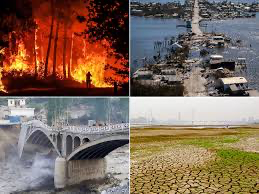
Climate change: UN report says planet to warm by 3.1 C without greater action
Categories: Climate Change


 in-sights.ca
Cancer Ward Coffee Clatch met as usual on Wednesday morning and there was some talk, naturally, about the most recent provincial poll. It’s a rare moment when the conversation strays from sports, family, music, who died, travel plans, stories from the past and the like. Everyone knows that I’m the outlier, but the murkiness of the silence was palpable when I opined that Furstenau was the only leader to have an inkling about the necessary steps to avoid disaster from multiple crises, and that largely, we don’t vote for those policies because we’re pretty comfortable, y’know. A brief and uncomfortable pause, and the conversation settled back into its traditional pathways.
LikeLiked by 1 person
Hey Dan. At your next Coffee Clatch explain to your colleagues that the cleanup bill for Hurricane Helene is approx US$120 billion and economic losses are estimated at about US$100 billion. Climate change fueled extreme weather events are getting expensive. Not to mention that over 200 people died in this event. This is not sustainable.
LikeLiked by 2 people
We know these things: my associates are at least vaguely aware of the processes under way, but mostly don’t want to think about it. Especially when we all feel vulnerable to wildfires and droughts, and we’ve just come through a rain event that caused several deaths and a ton of damage, and we’ve all renewed house insurance at steep increases in premiums, clearly this has to be at least in the back of everybody’s mind. These characters are pretty clear that I’ve been working pretty actively to educate the local community and our local leaders, but it’s a slog to come to the realization that nibbling around the edges of homelessness, poverty, species extinction, resource depletion, economic inequity, political gridlock, fracturing health and other services, addictions, and climate disruption is going to produce the useless results we’ve had so far. You and I know that we may be too late to avoid some stunningly bad outcomes, but I’d like to think that every little bit of mitigation and adaptation will enhance that there might be something left on which to rebuild a decent civilization.
LikeLiked by 2 people
I was skeptical about the accuracy of your numbers on life expectancy… until I saw … that my accumulation of years after birth = 80, and the month = 4, ….. but there’s twelve months in a year, not 4/10 ….. so your numbers are not quite …. how many leap years are there in the past 80 years?
LikeLike
tyee had article recently
LikeLike