


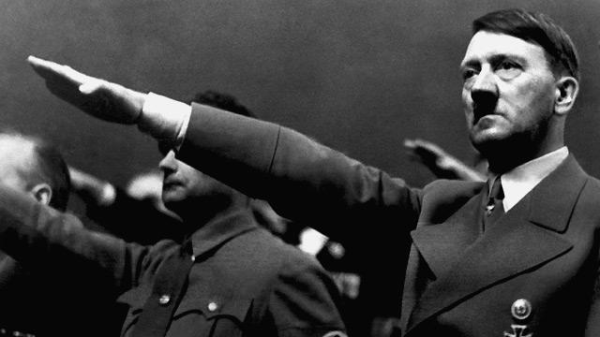
Starting in 1933, German Nazis transformed a little educated failed artist from Austria into the personification of the German nation. Nazis exercised control over mass media and aggressively crushed dissent. A dozen years later, between sixty and one-hundred million soldiers and civilians were dead from war-related causes.
Why did the highly educated Germans embrace Adolf Hitler and his vicious followers?
The answer includes economic and political crises. German people had experienced punishing inflation in the 1920s and falling wages and declining employment in the 1930s. The democratic Weimar government was inexperienced and lacked competence. Extremists stirred unrest; conditions worsened. Desperate people wanted change and supported maniacs who promised to make Germany great again.
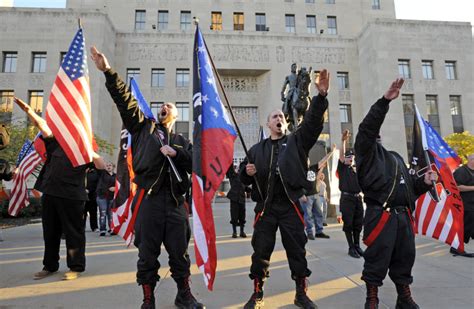
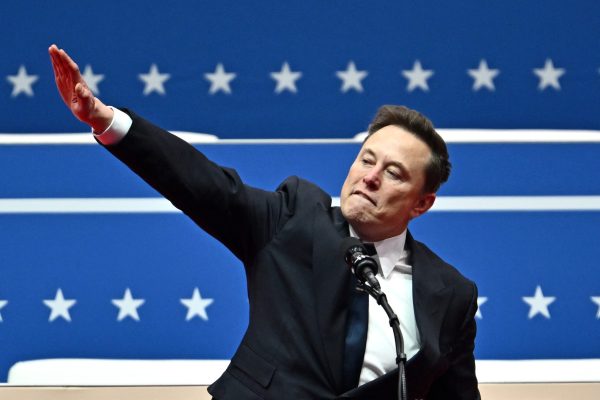
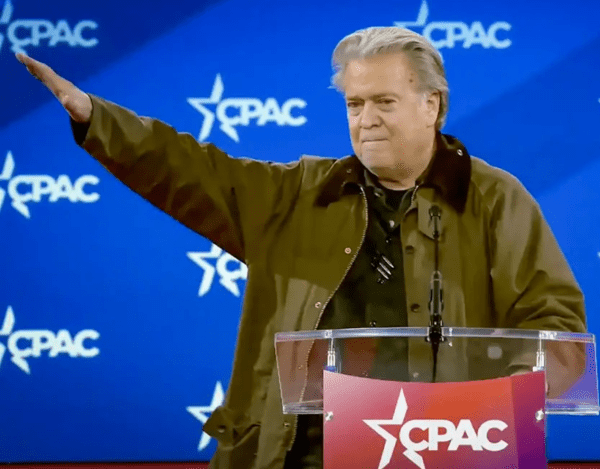
Neofascists in the 21st century care nothing about the consequences of tyranny, but they understand how tyrants gain power. They intend to control media, damage the economy, and cripple the justice system, expecting resulting chaos will bring an end to democracy.
We often associate autocracies with states burdened by poverty, but these have arisen in prosperous countries where people are educated and cultured.
The Chinese culture dates back thousands of years, and the country has a powerful economy and advanced educational facilities. Yet, it is an autocratic state with the world’s largest number of billionaires.
Russia has a long and rich cultural history and a higher education system strong in fields like engineering, natural sciences, and mathematics. It also has a government that murders influential Russians who dare to criticize and oppose the ruling dictator.
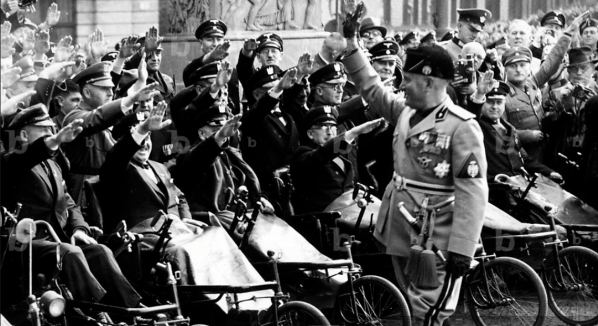
People of the lands known as Italy have a history dating back thousands of years. The Roman Empire once dominated the Mediterranean and much of Europe, Western Asia and North Africa. Beginning in the 1920s, fascists ensured that people were inundated with propaganda that favoured their objectives. Opponents were fired from institutions and punished without mercy.
How can we protect democracy?
- Stay engaged. Remain vigilant and informed.
- Stay grounded in the truth.
- Support independent media.
- Speak out in favor of democracy and against those who favour plutocrats and autocracy.
- Support politicians who defend democracy.
- Don’t give in to despair and cynicism. Keep hope alive.


 in-sights.ca
Actually, the expansionist aspirations of National Socialist Germany were not all that different form those of Imperial Germany in 1914. If you remove anti-semitism from the equation, one would have a difficult time differentiating their geopolitical goals. Hitler’s world views were formed prior to and during the First World War. He was influenced by the promoters of the intellectual concept of Pan Germanism. These ideas were supported by the majority of the German and Austrian populations. Additionally, the Germanic peoples of Europe (and there were millions of Germans outside of Germany’s borders) for the most part wanted to be part of a Greater Germany. Finally, Hitler was able to revoke the restrictions placed on Germany by the Versailles Treaty, which was what the general population wanted.
LikeLike
It has been a very long time since I studied the causes of WW1, but what you say is quite true.
Wilhelm II was German Emperor and King of Prussia from 1888 to 1918. He was a grandson of Queen Victoria and the first cousin of Britain’s King George V. Germany had a parliament elected by adult males who were allowed to vote. Under Wilhelm II, Germany built an empire and joined the arms race with other European nations.
Imperialism, militarism and nationalism were prime causes of the First World War and were very much in play in the interwar period and after conflict began in 1939.
It is easily argued that those ideologies are very much in evidence today in the USA.
LikeLike