



The cost of electricity produced with solar and wind technologies has been declining for 15 years. Because of corporate inertia, BC Hydro has been paying little attention. The company has focused on reliable delivery of energy but has been reluctant to alter its sources of electricity. The company even celebrates the fact, advertising, “We’re powered by water.”
That line is still used even though water shortages have required the utility to import electricity from gas-fired generators in Alberta and the USA.
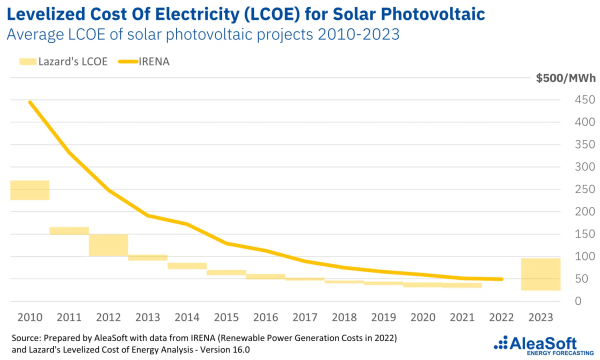
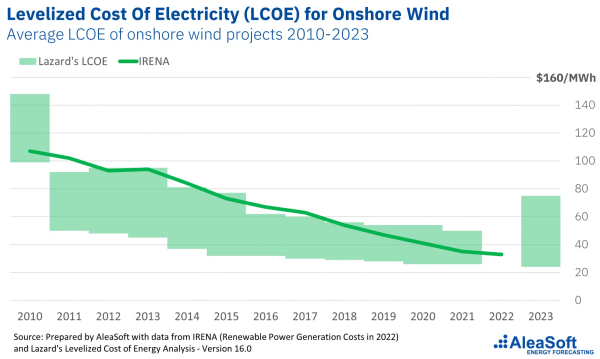
Bloomberg reported on April 1 that Europe’s booming solar generation has caused power prices to slump far below zero.
Negative prices are becoming a more frequent phenomenon across the continent as renewable power floods the network. While that’s welcome news for many consumers, it’s decimating returns for investors…
A decline in the cost of components has driven breakneck growth in solar projects in countries such as France, which is set to add an unprecedented 4.8 gigawatts of solar capacity this year. It will continue to break that record each year until at least 2035, according to BloombergNEF forecasts.
French Power Price Plunges Below Zero as Solar Swamps the Grid
BC Hydro has minimized the potential of wind and solar energy because of variability. However, BC Hydro’s reservoirs act like giant batteries. When alternative energy sources produce, water flowing through generators at hydrodams can be reduced. Conserving that water has become more important as power produced per megawatt of capacity at BC Hydro’s dams has been in steady decline for years.
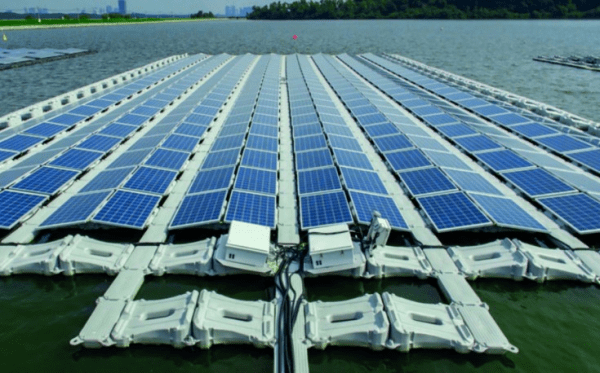
Elsewhere in the world, floating PV is being matched with reservoirs. Not only do solar panels produce energy, but they reduce the evaporation of water.
Floating solar PV is among the fastest growing technologies in the renewable energy sector. While the very largest schemes are in the pioneering FPV countries, such as China, India, and Korea, projects are taking off throughout the world, particularly in Europe, Latin America, Africa, and the Middle East.
Categories: BC Hydro, Power Generation


 in-sights.ca
Neither BC ‘s or Canadas economies will grow until we enter the 21st century.
Governments across the country are doubling down on t he ‘need’ to extract fossil fuel, cut down trees and dig holes in the ground for minerals.
TB
LikeLiked by 1 person
TB, Mr. Farrell,
It may shock those who only read Canadian publications that there’s an abundance of reports on large and successful Green Energy projects. Elsewhere.
In Europe. In Asia. In S E Asia. But not that much enthusiasm here.
Should you forward a URL link to a BC reporter or Ottawa reporter – or God Forbid any politician – expect no response. The feds are much too busy, fundraising apparently. The average reporter is told what to write.
Yet during the last ten years there was one surprise. BBC interest large green projects, specifically successful ones. Especially those in other European countries.
https://www.bbc.com/innovation
In Europe there’s now a Green Week. Shamelessly promoting The Circular Economy.
https://circulareconomy.europa.eu/platform/en/news-and-events/all-events/eu-green-week-2025-circular-solutions-competitive-eu
There’s a Green Capital City, Vilnius.
https://environment.ec.europa.eu/events/opening-ceremony-vilnius-european-green-capital-2025-and-networking-meeting-2025-01-22_en
Here?
For-Profit media sees no financial benefit in preparing us to benefit from a wide range of 20th century green innovations, let alone the ones most likely to propel us forward during the 21st century.
Aside from providing Astrology columns, Advice columns, and Pundit columns, informing the public about what other countries have done to improve their populations – it’s just not a job that matters. Better for a dying circulation to highlight controversies!
That these are the businesses the public should subsidize with government handouts?
Somehow the media have become Nanny State dependents.
Go figure.
LikeLike
Politics 101.
It’s no secret that to maintain their advantages businesses and political interest groups often combine against the public interest.
In this century one major conflict is centred on Energy. Despite a wide array of options available, somehow upgrading to new technologies, far less toxic, and far less expensive public options meets fanatical opposition. Opposition to green energy is clear – “OK, we’ll make the change but there must be continued subsidies to Big OIL and GAS, lots of Deregulation, and a decades long Transition Period.”
For those Americans who dare to innovate their experience looks like this….
https://ilsr.org/articles/the-states-of-distributed-solar-2024-update/
“The installation rate for distributed solar is growing nearly every quarter. These projects are cost effective and move from proposal to power source very quickly. Plus, locally-owned solar distributes the benefits of the clean energy transition through local economies.”
“Despite the many benefits of local ownership, utility companies oppose it. They prefer to build their own generation and distribution infrastructure, no matter the cost, because they are guaranteed to earn a guaranteed return on their investments. Utility choices hinder clean energy adoption, jack up power bills, and even threaten our democracy.”
https://ilsr.org/articles/why-utility-execs-hate-distributed-solar/
“Distributed solar, which can be owned by individuals, small businesses, and public entities, is turning the electricity industry upside down as individuals choose to generate their own solar power on their rooftop or through participation in community solar.”
“In 2024, of the 32 new gigawatts of solar capacity installed, 17% (5.4 GW) was distributed throughout communities.”
“Many individuals who cannot go solar themselves can subscribe to a community solar garden. These solar arrays offer the same electric bill stability and savings as rooftop solar, but operate remotely under a subscription model.”
In 2016 rapidly-going-solar Nevada, facing declining energy revenue went for the jugular.
https://www.greentechmedia.com/articles/read/nevada-net-metering-decision
“Nevada regulators have ordered a tripling of fixed charges for solar customers over the next four years, while reducing the credit for net excess generation by three-quarters. This change is aimed at making solar customers pay their fair share for using NV Energy’s grid. However, AB 405 allows homeowners in Nevada who utilize solar energy to be credited at retail value for any excess energy they produce and export to the grid through a system known as “net metering.”
In Canada’s (radical) last century our feds built a trans-national railroad (CNR), a trans-national airline (AirCanada), built mass infrastructure, built thousands of schools, universities, hospitals and affordable houses, trained and employed thousands of returning war vets, trained and employed teachers and (God-Forbid!) even presented a universal Medicare system.
In no future century will this ever be possible.
Why did Canada take the public funding route? Because Public Interest and Private Interests diverge. Waiting for the private sector to deliver something inexpensive but vital, but that isn’t in the business community’s own financial interest, is foolhardy.
But now?
Sixty years after California dabbled in successful Geothermal energy projects, and other states followed suit; decades after solar and wind prices tumbled, Canada’s energy policy fallback is the usual We-Must-First-Conduct-More-Studies BS. Why? To justify delay in doing what other nations have already done to save their own populations.
Proof? It’s not only in handy graphs.
Explain why, year after year, Scandinavians express top satisfaction with their governments (and each other as humans) while here in Our Politically Stagnating Western Nations our populations form into divisions, to express disgust, contempt, and mistrust. In each other.
What are those tricky Scandinavians up to?
LikeLike