



The global battery market is now valued at around C$220 billion. That number is expected to be near half a trillion dollars in five years. Even that estimate may be conservative. Very conservative.
China’s Contemporary Amperex Technology Company (CATL), the world’s largest battery maker, recently made an astonishing announcement. It said the new Shenxing sodium-ion battery could add 520 kilometres of driving range in just five minutes of charging time. The total range is 800 kilometres.
CATL suggests this doubles the performance of the best charging system available today. The company boasts that these batteries are cheaper, lighter, and more resilient.

Expert energy journalist Markham Hislop says, “Let’s have a moment of silence for the internal combustion engine.”
Peak oil? A year ago, Bloomberg Finance referred to “the mythical threshold of peak oil.” Trump’s U.S. Energy Information Agency now estimates peak oil in 2050. The International Energy Agency, with 44 associated and member countries, recently changed its peak demand forecast from 2030 to 2028.
Even if CATL’s statements are optimistic, improvements in battery technologies have been steady. Safe, affordable, and energy-dense sodium-ion batteries even function in frigid temperatures. In addition, solid-state batteries are advancing quickly.
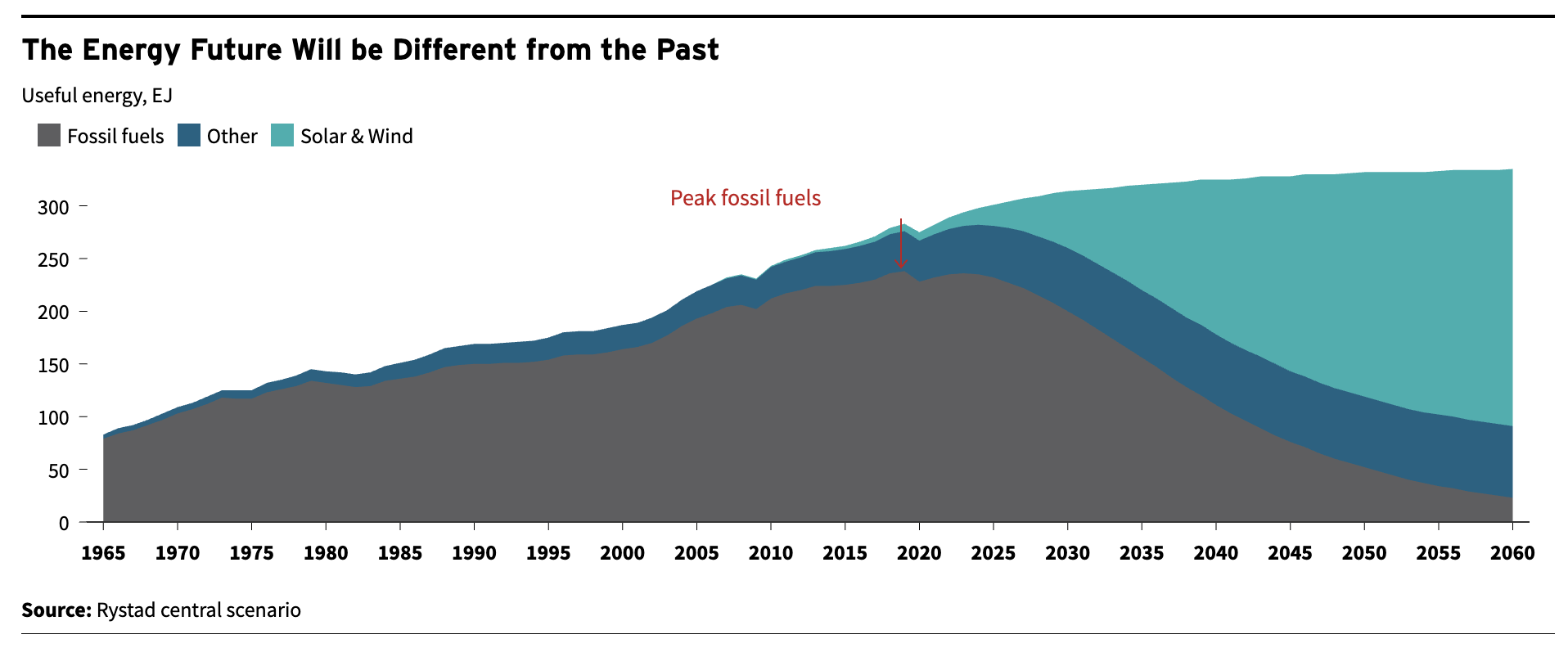
Canadian politicians have warm relationships with fossil fuel companies. Conservative Pierre Poilievre is prepared to offer tens of billions of dollars to subsidize new tar sands production and oil pipelines. Canada’s Liberal Party is not much better. Science tells governments to turn away from fossil fuels; lobbyists tell politicians to keep the massive subsidies flowing.
BC Hydro is preparing to build more costly hydro dams, because that is the energy solution the company has pursued since 1961. Stuck in the days when their senior executives were educated, the provincial utility downplays wind, solar and battery technologies. This is corporate inertia at its worst. It takes a special determination to ignore what is happening in the real world.
Another energy option for coastal nations.

Clean, renewable power for handheld devices:

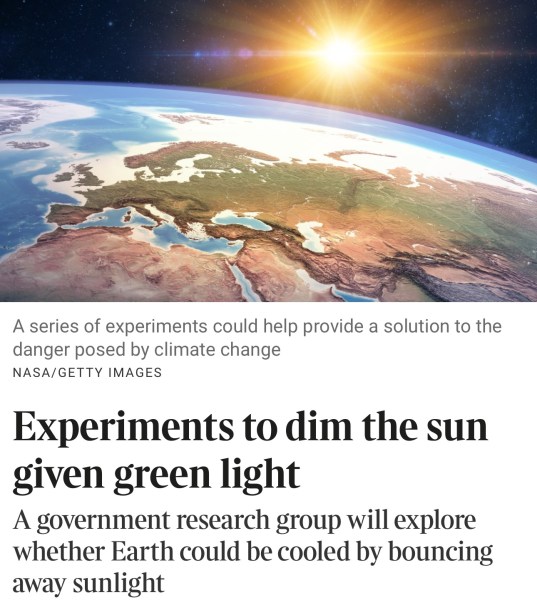
The oil industry is so powerful that it aims to have taxpayers spend vast sums to dim the sun.
Categories: Energy


 in-sights.ca
Yes indeed, China’s CATL (and BYD) are several decades ahead of the rest of the world, leading the way into the decarbonization of transportation and energy (think solar).
From October 2023, Tony Seba sets the stage based on cost curve analyses (evidence-based science) in a presentation entitled “Tony Seba Speaker | Phase Change Disruptions of Energy, Transportation & Food.”
Seba focusing on the unstoppable rise of EVs (scroll ahead to 11:50 in the timeline):
With regard to the fossil fuels (oil, gas and coal) Tony Seba offers more evidence-based predictions (scroll ahead to 16:30 in the timeline):
Obviously, Tony’s entire 32.5 min. presentation is well worth your time.
IMHO we need to form much stronger trade relations with China — including bringing more of their manufacturing to Canada (and not just on their terms).
Unfortunately both our Federal Liberal and Conservative Parties are deep within the pockets of the fossil fuel industry. Now more than ever (this late in the climate crisis), Canada needs to focus its limited financial investments on decarbonization; the intransigent (deny, deflect, delay) fossil fuel industry is not our friend — its the anchor bound to our necks.
LikeLiked by 2 people