



If David Eby’s government supported or acquired the Hecate Strait project proposed by Oceanic Wind Energy Inc., power could be flowing to the area to be served by the $10 billion North Coast Transmission Line (NCTL) by 2030, not 2034 or later, as predicted by BC Hydro.
It is worth noting that the public utility is usually guilty of strategic misrepresentation. It routinely underestimates its megaproject budgets and the times needed for completion, so I adjusted the cost figure published by BC Hydro from six to ten billion dollars.
The government says, “BC Hydro currently has industrial projects in its connection queue for almost 6,800 megawatts (MW), more than six times the total capacity of the Site C hydroelectric project.”
That statement, if true, would indict the very group that has held power in British Columbia for nine years. But again, what underlies most megaproject proposals?

For people not familiar with BC geography, Hecate Strait is less than 200 kilometres from Terrace, which is to be served by the NCTL. The Peace River dams are about 500 kilometres away, as the crow flies. Transmitting electricity from the Peace River region, at the eastern edge of the province, to near the coast, will be difficult and much more costly than if power were delivered from Hecate Strait. Ongoing NCTL transmission losses will be greater than on lines delivering power from coastal waters.
What about wind intermittency, you say?
Well, the area near Haida Gwaii happens to be among the world’s best regions for wind power potential. And the huge resource projects the government dreams of could install energy storage devices, as those needing uninterruptible power will do regardless of where electricity originates. The batteries could be installed at their own cost.
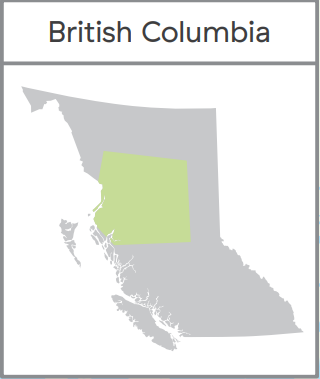
Area allegedly to be served by NCTL
Why is the highest-cost and most difficult-to-build proposal to deliver electricity to the North Coast preferred by the government? Perhaps because it offers the best long-term security and financial rewards to the decision makers from the groups at the other side of the revolving door between government and industry.

Categories: BC Hydro, Energy - Wind


 in-sights.ca
Nova Scotia has been moving towards an off-shore wind project that could provide 27% of Canada’s electricity requirements.
Offshore wind – Government of Nova Scotia, CanadaGovernment of Nova Scotiahttps://novascotia.ca › offshore-wind
One of my grandsons is an electrician who has been working for over a year in Nova Scotia on these battery storage systems:
https://www.cbc.ca/news/canada/nova-scotia/nova-scotia-in-the-market-for-more-grid-scale-batteries-9.7065198
British Columbia has similar potential. But dissimilar political will, it seems.
LikeLike
Can you tell us more about this? Is anyone working on this in a meaningful way? How can we get this government to do something, ANYTHING other than push this increasingly disastrous LNG project with its Trumpstein billionaire funders?
LikeLike