



According to the Union of Concerned Scientists, “flooding land for a hydroelectric reservoir has an extreme environmental impact: it destroys forest, wildlife habitat, agricultural land, and scenic lands.”
- Fish and other organisms can be injured and killed by powerhouse turbine blades.
- Apart from direct contact, there can also be wildlife impacts both within the dammed reservoirs and downstream from the facility. Reservoir water is usually more stagnant than normal river water. As a result, the reservoir will have higher than normal amounts of sediments and nutrients, which can cultivate an excess of algae and other aquatic weeds.
- Water is lost through evaporation in dammed reservoirs at a much higher rate than in flowing rivers.
- Water stored in a reservoir alters natural flows and may cause segments of the river downstream to dry out.
- Reservoir water is typically low in dissolved oxygen and colder than normal river water. When this water is released, it could have negative impacts on downstream plants, animals, and people.
- After an area is flooded, vegetation and soil in these areas decompose and releases both carbon dioxide and methane.
Proponents of hydroelectric dams love to talk about these as low-impact sources of clean energy. Many proponents expect to gain financially from construction of the megaprojects. To them, self-interest is always more important than public-interest.
In British Columbia, the financial cost of electricity from Site C will be 4x to 6x that of wind and solar alternatives. Authorities choose to disregard human and environmental costs and leave them unmeasured.
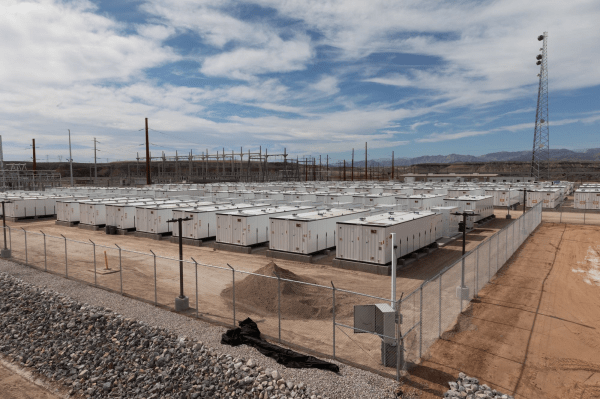
Site C supporters agreed that cheaper sources of energy were available but claimed near instant deliverability was a critical factor. That required a disregard for battery technology or a high-level of conscious and deliberate ignorance.
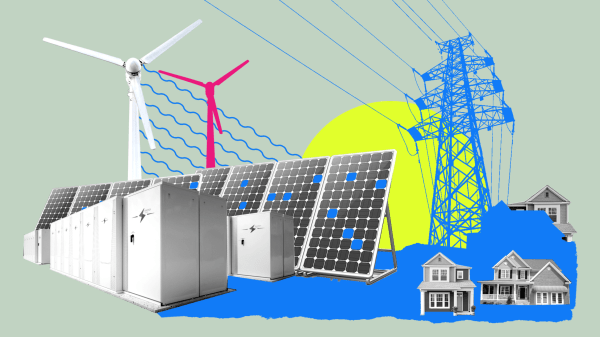
2023 saw record-breaking solar output and a ‘momentous shift’ in battery production. 2023 was another banner year for batteries.
Solar is now the cheapest form of electricity in a majority of countries. Solar panel prices fell a whopping 40 to 53 per cent in Europe between December 2022 and November 2023 and are now at record lows.
“Particularly in Europe, it’s been really at breakneck speed of scaling up the deployment,” says Michael Taylor, senior analyst at the International Renewable Energy Agency (IRENA).
If you find value at IN-SIGHTS.CA, please consider financial support. Significant payments for site hosting and subscriptions for software and news sources are required and the site carries no advertising.
As Tony Stubblebine said, “It’s expensive to write about things that you don’t already know.”
Supporting this work is a straightforward process explained HERE.
Categories: Energy, Energy - Wind, Site C


 in-sights.ca
Hydro electric power projects have always exceed their budget.
I think, without proof, salar and wind have little such issues?
TB
LikeLike
Thanks Norm
To put it bluntly, large hydro is not a climate change solution. Environmentally they are a train wreck, which explains why the Environmental Impact Statement for the Site C dam on the Peace River ran to 26,000 pages. Even if they were non-CO2 gas emitting (which they are not), the huge environmental impact plus the bloated cost of building dams simply has to remove them from any future consideration. We need what remaining river bottom valleys we have for both their ecological value and for agriculture.
Any future power that could be supplied from hydro dams that cannot be found elsewhere we will just have to learn to live without. It is that simple. I personally don’t think that is going to be a problem, and fortunately, that “simple” decision will save us a lot of money. As you point out Norm, we have to safeguard against those who want to personally profit from building stupid publicly funded megaprojects.
LikeLiked by 1 person
For a sacrificed river bottom for the sake of agriculture look no further than the Alberta Three Rivers Dam project. Preferred name reference is the Oldman river dam. I wonder why. Three of the finest rivers in Southern Alberta dam impacted for irrigation to grow corn in a semi desert climate. The mud flats below the dam are an unbelievable moon scape and dead pool behind the dam is on the horizon. Another case of bringing the mountain to Muhammed.
Unfortunately people who could affect change are currently not affected and no amount of sounding the clarion of concern is going to change anything. Does anyone really think the cost of power from site C will impact those people sitting in the seats of power in BC? Not a chance. Their compensation will be adjusted accordingly somehow. From those seats of power the message conveyed is “Let them eat cake”..look at the jobs we created.
LikeLiked by 1 person