


British Columbia is again confronting the consequences of extreme heat, prolonged dryness and rapidly spreading wildfires.
On August 8, the BC Wildfire Service reported extreme fire behaviour across southern British Columbia. Persistent hot and dry conditions, combined with dense smoke and poor visibility, created serious difficulties for aircraft and ground crews. The service warned that dangerous fire behaviour would continue and that smoke would linger over much of southern B.C.
The provincial government declared a state of emergency. More than 20,000 people were forced to evacuate, including approximately 12,000 residents of Summerland. The Bald Range wildfire expanded to more than 100 square kilometres with extraordinary speed, destroying property, severing transportation routes and generating its own weather system. More than 100 wildfires were burning across the province.
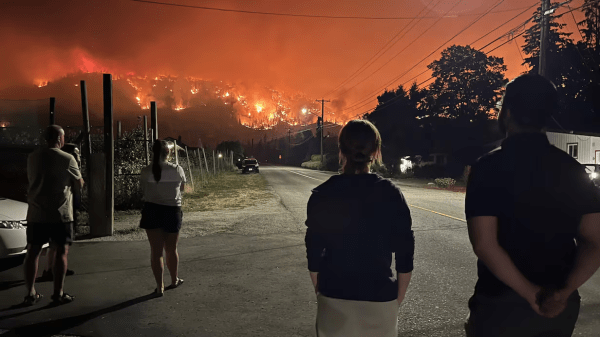
Nearby, thousands of firefighters were working around the clock to control wildfires in Washington State, where tens of thousands of people had also received evacuation orders.
These are the immediate facts of the disaster. Behind them lies a longer and increasingly dangerous trend.
Natural Resources Canada reports that the country’s wildfire season is lengthening. Hotter and drier conditions increase the frequency, severity and extent of fires. The fires then release enormous quantities of carbon, further warming the atmosphere and reinforcing the conditions that produce more fires.
Forests, grasslands and peatlands ordinarily capture and store atmospheric carbon. When they burn, much of that carbon is released, along with particulates and other pollutants. Greenhouse-gas emissions may continue long after the flames disappear as damaged vegetation and soils decompose.
NASA reports that extreme wildfire activity has more than doubled worldwide. Fire seasons are growing longer, dangerous fire weather is becoming more common, and forest-fire emissions are increasing. Global carbon emissions from forest fires rose by about 60 per cent between 2001 and 2023, while emissions from boreal fires in Eurasia and North America nearly tripled.
Data published by the World Resources Institute and Global Forest Watch tell a similar story. By 2025, forest fires were burning more than twice as much tree cover annually as they had two decades earlier. In Canada, wildfire-driven forest loss during 2023–2025 was nearly five times the annual average recorded between 2001 and 2022.
Fossil-fuel emissions are the dominant cause of human-induced global warming. That warming brings higher temperatures, prolonged drought, earlier snowmelt, drier vegetation and more extreme fire weather. Burning fossil fuels may not light the match, but it makes the landscape more combustible and fires more difficult to control.
Canadian government scientists have concluded that human-caused climate change substantially increased the severity of British Columbia’s catastrophic fire seasons.
The consequences do not end when a fire is extinguished. Larger fires release more carbon, destroy forests that would otherwise absorb future emissions and leave damaged landscapes more vulnerable to further burning.
Warming intensifies fires; fires intensify warming.
Scientists have warned about this feedback loop for years. The evidence suggests that it is accelerating.
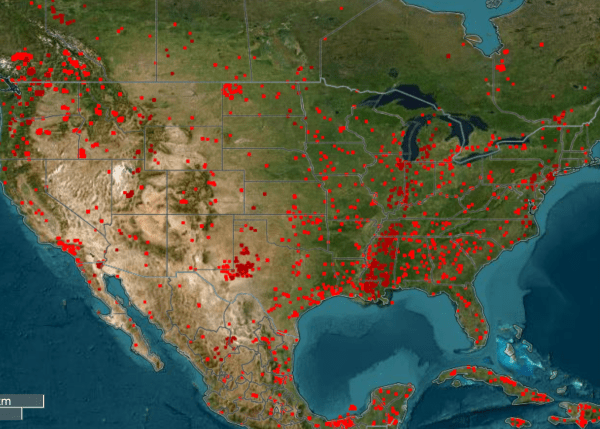
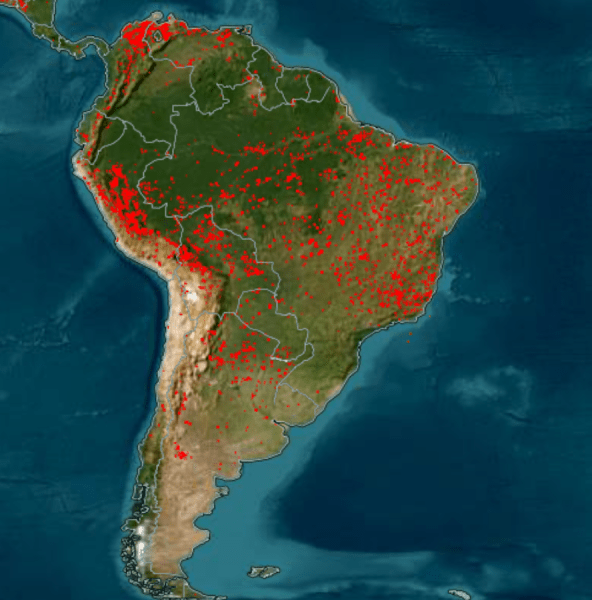
NASA’s satellite-based monitoring systems reveal the global scale of the crisis. During fire seasons, enormous areas of the planet are marked by active fires and thermal anomalies. These are not isolated events. They are symptoms of a changing climate.
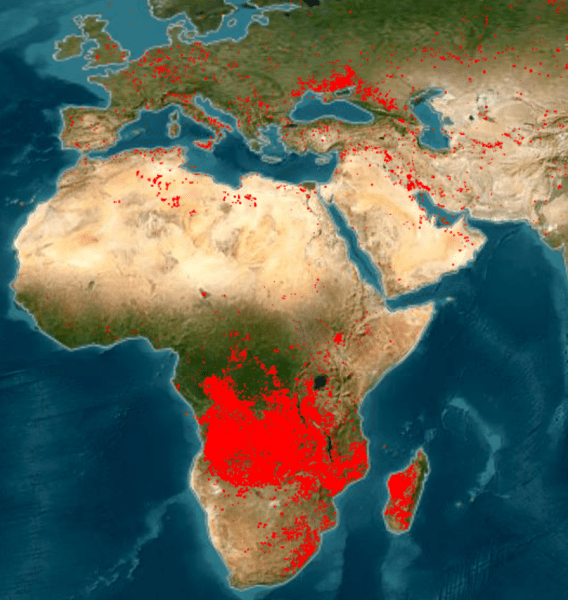
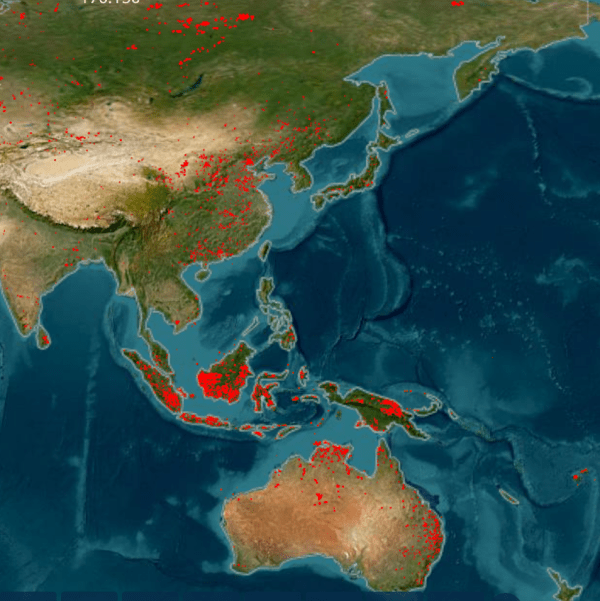
Despite evidence of dangerous outcomes, Canadian governments continue to promote expanded fossil-fuel production and exports.
British Columbia subsidizes new and expanded LNG facilities. Alberta seeks higher oil production and additional pipeline capacity. Prime Minister Mark Carney’s government is working to accelerate bitumen extraction and LNG development. Together, these policies would substantially increase the production of fossil fuels.
The promised economic benefits may be politically attractive, but they cannot erase the physical consequences of producing and burning more oil and gas. Carbon dioxide does not respond to speeches, accounting devices or assurances that Canadian petroleum is cleaner than someone else’s. It accumulates in the atmosphere and contributes to warming regardless of where the fuel was extracted.
Governments cannot credibly acknowledge the dangers of climate change while adopting policies that deepen dependence on the fuels driving it.
David Eby, Danielle Smith and Mark Carney did not start British Columbia’s wildfires. But they know—or should know—that additional emissions intensify the warming associated with fires, floods, heat waves, crop failures, insurance losses, displacement, illness and death.
Their responsibility lies in the choices they make with that knowledge.
Political and moral responsibility is not confined to the person who strikes a match. It also belongs to governments that knowingly adopt policies that make widespread destruction more likely.
Politicians may call those choices prosperity. History may judge them as a profound failure of responsibility.
The feedback dynamics involved are precisely what climate scientists have long warned about: hotter and drier conditions created by a warming climate make forests more combustible, while burning forests release carbon that further accelerates warming. Current trends suggest this dangerous “feedback loop” is gaining momentum
World Resources Institute
Addendum:
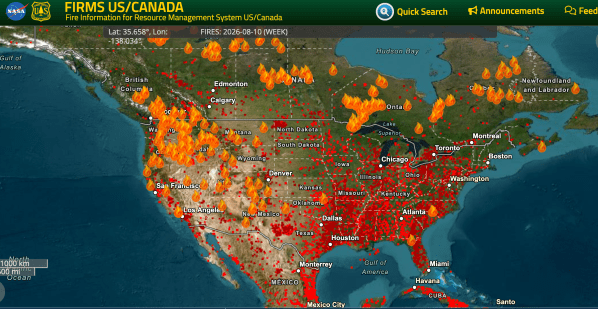
It is not just the Pacific Northwest that has a wildfire problem. NASA map downloaded August 9, 2026.
Categories: Climate Change


 in-sights.ca
Great article Norm. It begs the question, ‘How bad does it have to get before our political leaders do the right thing?’ I thought we had reached that point a long time ago.
John Valiant recently wrote an article on how todays wildfires are much more intense. In some cases, water released from waterbombers evaporates before it hits the fire making it impossible to fight the fire. See below.
https://time.com/article/2026/08/08/what-happens-when-the-world-is-on-fire/
LikeLike
I think the answer to your question Pat is that it evidently has to get really bad before our political leaders and the voting public will take this serious enough to willingly make the changes that are necessary.
But it will be too late to avoid the worst of the baked in impacts.
It is hard to see how this ends well, but we must keep trying.
LikeLiked by 1 person
The band continues to play and drinks continue to be served while the Titanic sinks.
LikeLiked by 2 people