



BC Hydro has released its annual Service Plan Report for the fiscal year ending March 31, 2026. It was encouraging to see the utility publish the report well before the legal deadline, rather than waiting until the final days, as it often did under its former leadership. After a brief review, I concluded that BC Hydro is making a genuine effort to be more informative.
Several realities stand out.
Electricity demand from residential customers remains flat.
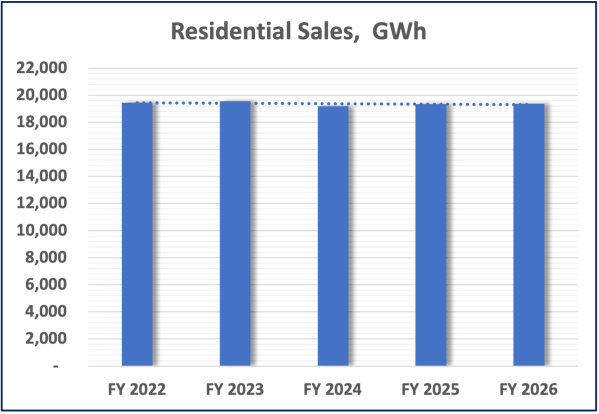
Demand by commercial and light industry consumers has also remained flat.

Large industrial customers are another matter. Their electricity consumption has increased, no doubt because the Eby government is committed to expanding the production of liquefied natural gas—a fossil fuel whose full lifecycle climate impact can be worse than coal’s, according to scientists at Cornell University. 1
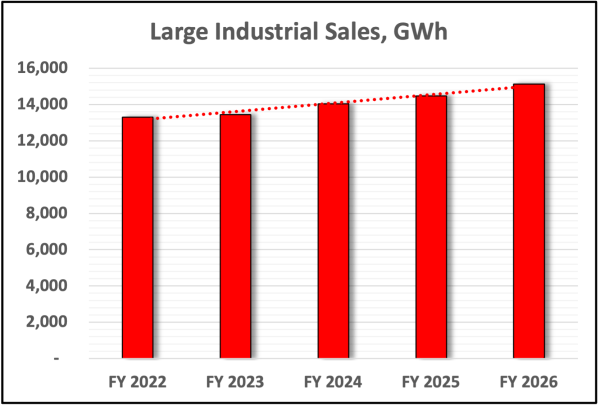
It is worth noting that the cost of power purchased from IPPs was 10 cents per KWh, while the average selling price to heavy industry was under 7 cents per KWh. This amounts to another hidden subsidy to the oil and gas industry.
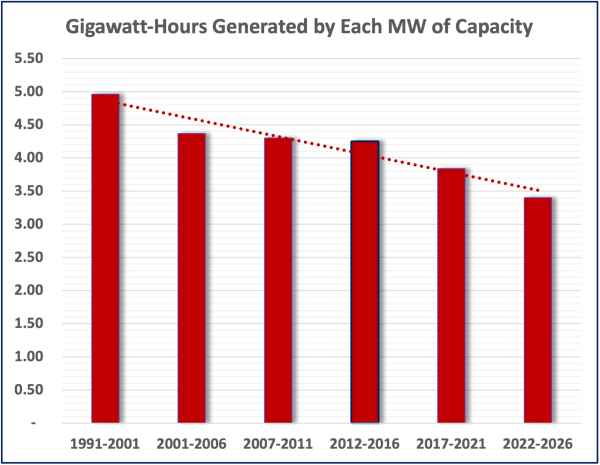
Another problem facing the province is declining output from BC Hydro’s major generating facilities. Persistent drought across parts of British Columbia has lowered water levels in critical reservoirs. Despite spending large sums to upgrade generators, the amount of electricity BC Hydro produces for each megawatt of installed capacity has steadily declined. The fiscal 2026 result was also affected by Site C producing only 70 percent of the promised amount.
Data compiled by Environment and Climate Change Canada shows declining water availability and streamflows in the Peace River basin compared with historical norms.
I recently visited a cousin who lives near Monte Lake. He told me his acreage has received almost no rain this year. From his property, we could see the scars left by a wildfire on a nearby hillside. Sadly, lightly populated areas such as this tend to rank low in priority when the BC Wildfire Service deploys its limited firefighting resources.
BC Hydro’s payments to independent power producers increased in fiscal year 2026, after three years of decline. The quantity of power purchased was up but still below the average of the preceding five years.
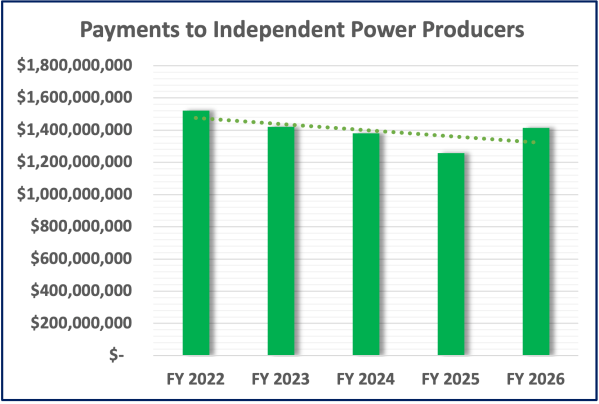
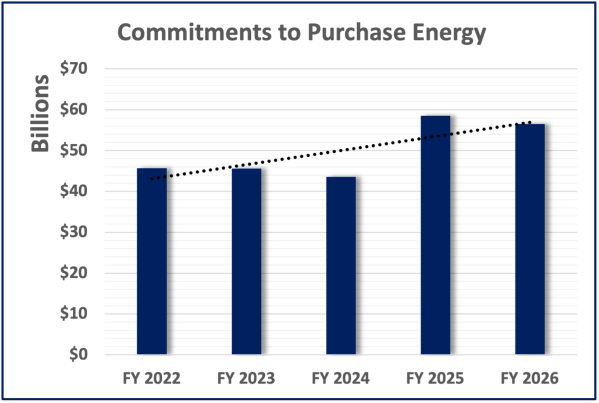
Contractual commitments to IPPs have also risen. When the NDP took office in 2017, those commitments totalled $53 billion. Although BC Hydro subsequently allowed some contracts to expire, costly new agreements signed during the past two years have pushed the total billions of dollars above where it stood when Christy Clark left office.
1 Greenhouse gas footprint of LNG, Cornell University Modelling and Analysis:
Categories: BC Hydro


Thanks for the summary Norm. This is the first year that Williston Reservoir has reached full pool for many years. Unfortunately with several generators down for maintenance at the WAC Bennett Dam, BC Hydro had to spill a great amount of water to avoid overfilling and could not cash in on that potential for generation.
But, it is good news for all of us that there is a reprieve from the long running drought up here. Hopefully that will continue.
LikeLike
That alone should be investigated
Why not one generator ata time and time it to rain season
LikeLike