



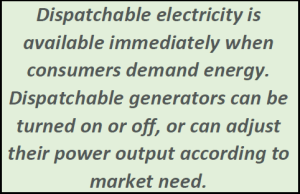
In 2017, Site C proponents said the dam was required because British Columbia needed dispatchable electricity. According to those keen on the megaproject, low-cost wind and solar power could not be integrated into BC Hydro’s systems. At the time, 97.5 percent of the utility’s generating capacity was hydro.
Like batteries, reservoirs store potential energy. When consumers use electricity from wind and solar sources, hydropower utilities keep water behind dams, ready to generate electricity when needed.
It seems things in British Columbia have changed. BC Hydro will be contracting for substantial amounts of wind power. Somehow, this clean renewable is now capable of supplying energy to the provincial grid.
Has anything changed from 2017? Indeed, the cost of Site C power has more than doubled, while the cost of clean alternatives has declined.
Other parts of the world have not been reluctant to employ low-cost renewables. In this province, BC Hydro’s staff was focused for years on building Site C. Because contractors are constructing the dam on unstable ground, it is an engineering challenge. No one working on solutions to associated problems wanted the project to end, even if energy costs were exorbitant.
Days ago, Australia experienced the value of low-cost, clean renewables:
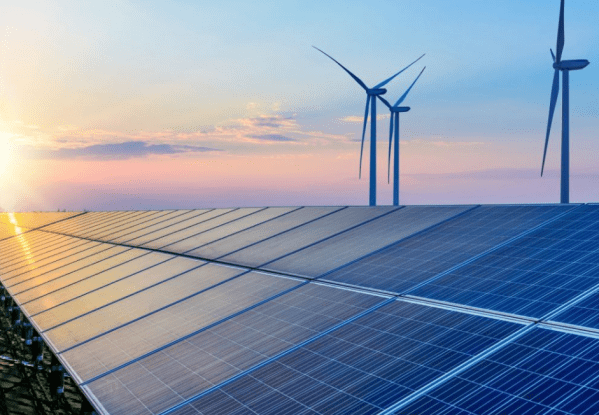
The output of wind and solar – so-called variable renewables – on Australia’s main grid smashed its previous record on Saturday in the middle of the heatwave that enveloped the southern states, as the total share of renewables including hydro also reached 70 percent over the weekend.
Solar PV modules mounted on the rooftops of the country’s homes and businesses accounted for half of the wind and solar output, or 11.3 GW, highlighting the increasingly prominent role they are playing in the transition. Large scale solar and wind accounted for the rest.
Renew Economy
The International Energy Agency estimated that newly installed solar PV and wind capacity saved EU electricity consumers about C$150 billion during 2021-2023 by displacing more expensive power generation.
WaveRoller® is a submerged wave energy converter based on a hinged panel that is attached to the sea bed in the nearshore area. It generates electricity from the movement of the waves (surge phenomenon) and is connected to the electric grid onshore. The company is based in Finland and operates on multiple continents cooperating with strong industrial partners.
.
Hot rock is almost everywhere beneath our feet, which means that Eavor can mine its energy from virtually anywhere across the planet. An Eavor-Loop™ is the connection of two vertical wells with many horizontal multilateral wellbores creating a closed sealed radiator-like system. Eavor’s proprietary working fluid is not from a reservoir, it is selected and added at surface, then circulated to harvest heat from deep in the Earth to be used to generate electricity or in commercial heating/cooling applications.
.
Eavor Deutschland (Eavor) has provided an update on the progress of the geothermal project in Geretsried, Germany that serves as the first commercial-scale deployment of the company’s Eavor-Loop technology. According to the update, Eavor has now drilled down to 7000 meters measured depth, while power plant construction is also ongoing.
Eavor’s Geretsried project in Germany
If you find value at IN-SIGHTS.CA, please consider financial support. Significant payments for site hosting
and subscriptions for software and news sources are required and the site carries no advertising.
As Tony Stubblebine said, “It’s expensive to write about things that you don’t already know.”
Supporting this work is a straightforward process explained HERE.
Categories: BC Hydro, Energy, Geothermal, Site C


 in-sights.ca
some hanging Justice for all crooked corrupt politicians in bc-in bc hydro-federally-provincialy and across Canada would soon end the massive corruption in canada-a few bodies hanging around would be a word of warning to all that would step over the line-this is what in in store for you-canada is just as corrupt a country as any on the planet—-
LikeLike
“Solar PV modules mounted on the rooftops of the country’s homes and businesses accounted for half of the wind and solar output, or 11.3 GW, highlighting the increasingly prominent role they are playing in the transition.“
BC Hydro, are you listening. Please consider carpeting urban rooftops (residential, industrial & government) with solar panels. We have millions of acres of rooftops available. No need to destroy any biodiversity for this solution.
LikeLiked by 1 person
Thanks Norm for the good article. I just recently heard about Alberta based Eavor and their new style of geothermal energy systems. Pretty innovative and exciting, but unfortunately, they seem to have to go abroad to find open-minded customers. Hopefully that changes soon. We need to ensure that no more rivers are dammed for so called “dispatchable” electricity, and geothermal can definitely help with that.
Ken Boon
LikeLiked by 1 person