Category: Climate Change

Record setting wildfire burns – updated

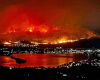
As of July 30, BC Wildfire Service is calling 2023 the worst year for land damaged by fire. In fact, with months to go in fire season, 15 percent more land has burned than in 2018, the second worst year BC has recorded. Three hundred and fifty-seven wildfires are burning on July 30, 188 of them out-of-control.

Methane, gas or liquid, is not clean energy

Governments responsible for regulation of fossil fuels are also promoters of its production and consumption. British Columbia has committed billions of dollars to encourage liquified fossil gas and has extended subsidies by way of royalty credits worth over $15 billion in today’s dollars. Government’s commitment to growing the fossil fuel industry is in direct conflict with its role as protector of the public and the environment using fair and neutral regulation of a dangerous industry. Measuring escaped emissions of methane would make it impossible to meet political promises of emissions reductions for the oil and gas industry. So, it is not a priority.

COP37

A Conference of the Parties (COP) is held regularly to assess the effects of the measures taken by Parties and the progress made in dealing with climate change. Dubai, most populated city of the world’s seventh largest oil producer, will host COP27 in December 2023. Leaders of the top five oil producers — USA, Saudi Arabia, Russia, Canada, Iraq — are already planning to speak at COP37.

Unextractables

Most Canadian politicians are blithe to climate science. The federal government is building or assisting construction of fossil fuel pipelines worth $45 billion. In the last few days, BC Premier David Eby joined Alberta Premier Danielle Smith at a Vancouver conference promoting production and consumption of fossil gas.

The new abnormal

As climate disasters become more common, motivations to address underlying causes will decline as the general public accepts them as normal. Add the normal inclination to diminish gradually deteriorating situations and we are unlikely to save humanity from extinction.

U.N. “climate change is out of control”

Regardless of science, the corporate world and governments in Canada remain determined to increase fossil fuel production and consumption. Under the NDP, British Columbia continues to provide direct and indirect subsidies to ensure increased output of products that threaten the survival of future generations. . .

Greenwashing delays climate action

To avoid the worst impacts of climate change, we have to make two big transitions at once: First, we have to generate all of our electricity from clean sources, like wind turbines and solar panels, rather than power plants that run on coal and methane gas. Second, we have to retool nearly everything else that burns oil and gas — like cars, buses and furnaces that heat buildings — to run on that clean electricity.

The new abnormal

Areas burned by wildfires in British Columbia have been steadily increasing, and with months remaining in fire season, this year’s destruction by fire is already more than double the average of the ten preceding years.

Masterful greenwashing?

Turns out that people are like governments that are willing to moderate climate risks, but only if actions are not painful. Seems that cartoonist Walt Kelly was correct when he wrote for Earth Day 1970, “We have met the enemy and he is us.”

Why people aren’t motivated to address climate change

If we choose to enrich our lives in the present at the cost of the quality of life of future generations, that is a choice of values that we rarely like to make explicitly. We have to be willing to look in the mirror and say that we are willing to live our lives selfishly, without regard to the lives of our children and grandchildren. And if we are not willing to own that selfish value, then we have to make a change in our behavior today.

BC’s climate policy inspiration

British Columbia’s government searched the world for options before settling on a climate plan acceptable to the province’s oil and gas industry. A creative solution was found in a report by Australian satirical news source The Shovel. The original article is reproduced here.

Climate destruction

The Donnie Creek wildfire, having now scorched more than 1.3 million acres, is burning in one of the world’s biggest fossil gas deposits. The Narwhal reporter Sarah Cox believes this raises questions about potential dangers to human health. And, of course, we cannot forget the wood pellet industry is converting BC forests from carbon sinks to carbon emitters.

Climate disasters may be unstoppable

A disaster strikes. The news reaches every home for a few days, perhaps a week. A debate erupts over whether climate change is to blame. Victims are profiled. There’s a tally of lives lost and property destroyed, and then the disaster is forgotten… But the story is quite different for those of us who are directly affected. We won’t just move on. Instead, we’ll likely be caught in what we might call a disaster’s long tail, a slow-moving series of effects both immaterial and material.