
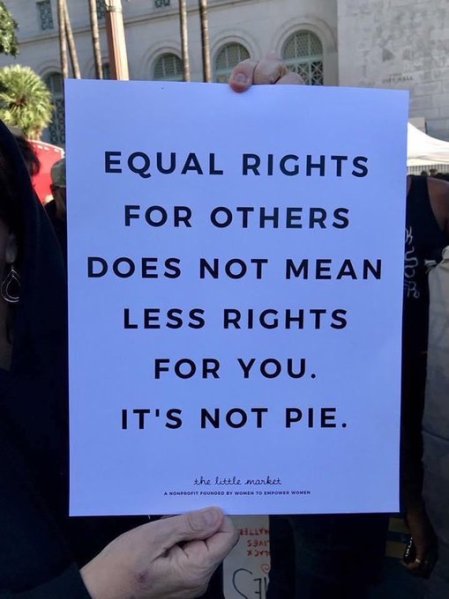


Race is not a biological reality. Racism thrives on our not knowing this.
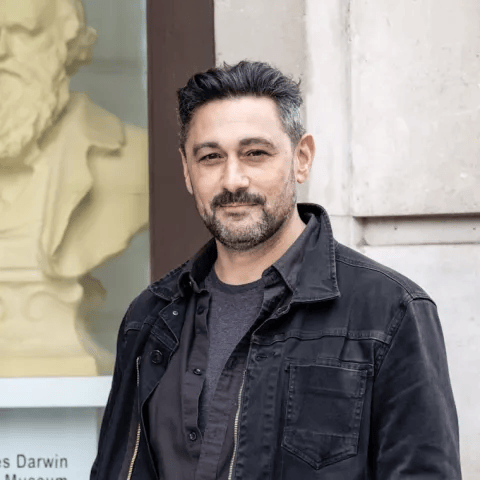
Adam Rutherford is a geneticist, science writer, and broadcaster. He studied genetics at University College London. As well as writing for the science pages of The Guardian, he has written and presented many award-winning series and programs for the BBC. He is the author of:
Racist pseudoscience has become so commonplace that it can be hard to spot. But its toxic effects on society are plain to see—feeding nationalism, fueling hatred, endangering lives, and corroding our discourse on everything from sports to intelligence. Even well-intentioned people repeat stereotypes based on “science,” because cutting-edge genetics are hard to grasp—and all too easy to distort. Paradoxically, these misconceptions are multiplying even as scientists make unprecedented discoveries in human genetics—findings that, when accurately understood, are powerful evidence against racism. We’ve never had clearer answers about who we are and where we come from, but this knowledge is sorely needed in our casual conversation about race.
How to Argue with a Racist emphatically dismantles outmoded notions of race by illuminating what modern genetics actually can and can’t tell us about human difference. We now know that the racial categories still dividing us do not align with observable genetic differences. In fact, our differences are so minute that most of all, they serve as evidence of our shared humanity.
The above introduced me to Rutherford’s book, How to Argue With a Racist. I have little appetite for arguing with racists. I’d rather keep them out of my life. However, Rutherford’s book includes truths that would distress those people:
Every Nazi had Jewish ancestors. Every white supremacist has Middle Eastern ancestors. Every racist has African, Indian, Chinese, American Indian, and Aboriginal Australian ancestors, as does everyone else … Racial purity is a pure fantasy. For humans, there are no purebloods, only mongrels enriched by the blood of multitudes…
I’m a baby boomer who grew up where racism could be blunt or casual, and both were commonplace. Some of it came out of my own mouth. Like other children around me, I chanted rhymes whose words I barely thought about. Here are the openings of a few I remember.
- Eeny, meeny, miny, moe / Catch a ni**er by the toe / If he hollers, let him go / Eeny, meeny, miny, moe…
- Five little darkies jumping on the bed…
- Chinky, chinky, Chinaman, sitting on a fence / Trying to make a dollar out of fifteen cents…
In the early 1980s, you could buy Licorice Kids alongside bubble gum and jawbreakers. Before then, the little black licorice figures had gone by names like “tar babies” and “ni**er babies.” A racial slur was part of the vocabulary of the penny-candy counter.
In the 1960s, I worked alongside a Sikh man who wore a turban. One of the foremen called him “raghead” or “that Hindu.” Someone pointed out that our co-worker was Sikh. The foreman replied, “I don’t care. They’re all the same to me.”
I entered Grade 12 in 1963, the year the first few students from the Tla’amin Nation attended Powell River’s senior secondary school. Until then, we had paid little attention to the Indigenous people who lived nearby. We noticed that their community lacked some of the amenities we took for granted, but gave little thought to why.
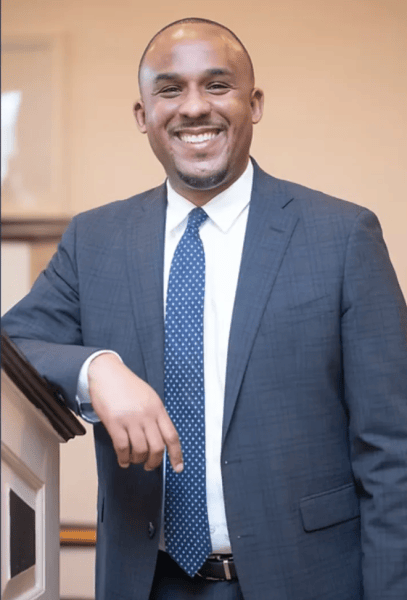
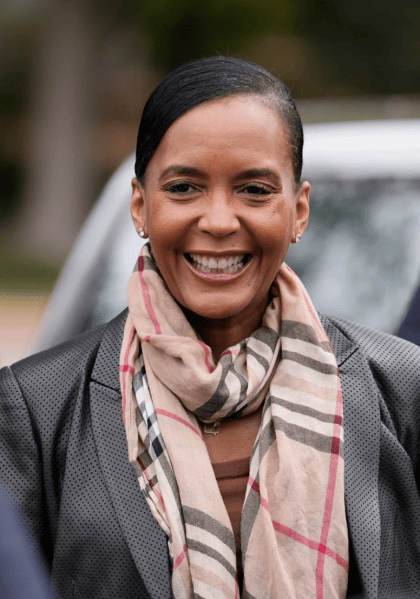
Adam Rutherford reminds us of progress made in recognizing human equality. I thought of that as the results of the 2026 U.S. midterms came in. Alongside the Democratic gains came a series of firsts. Georgia elected its first Black woman governor. A Black man leads the race to be U.S. Senator from Mississippi.
Minnesota elected Peggy Flanagan, the first Native American woman elected to the U.S. Senate, and Michigan elected Abdul El-Sayed, who will become the country’s first Muslim senator.
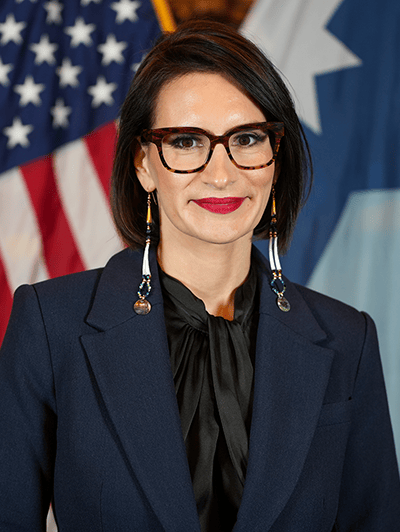
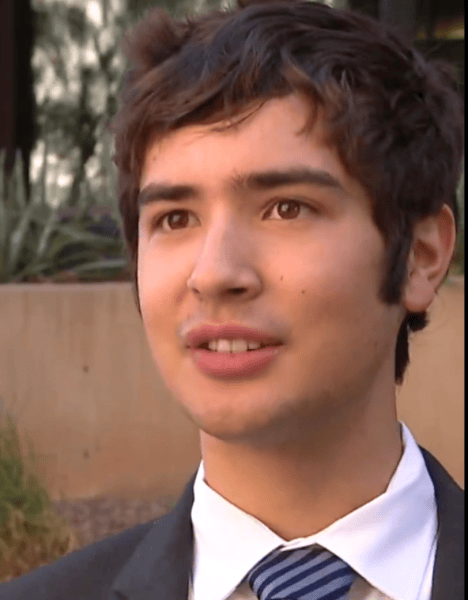
Age mattered, too. An early estimate put youth turnout among the highest for a U.S. midterm in three decades. In Arizona’s Maricopa County, voters elected Sebastian Matta, a 19-year-old college student, as clerk of the Superior Court. He’ll oversee the office responsible for keeping the county’s court records.
Deep inequalities remain. Still, these results suggest that many voters are willing to put their trust in people who would scarcely have been considered for such offices when I was young. I hope that before long, victories like these will be ordinary enough that we’ll stop counting them as firsts.
Categories: Human Rights


